The Evolution of the Escort Industry in London: From Victorian Secret Societies to Modern Independent Agencies
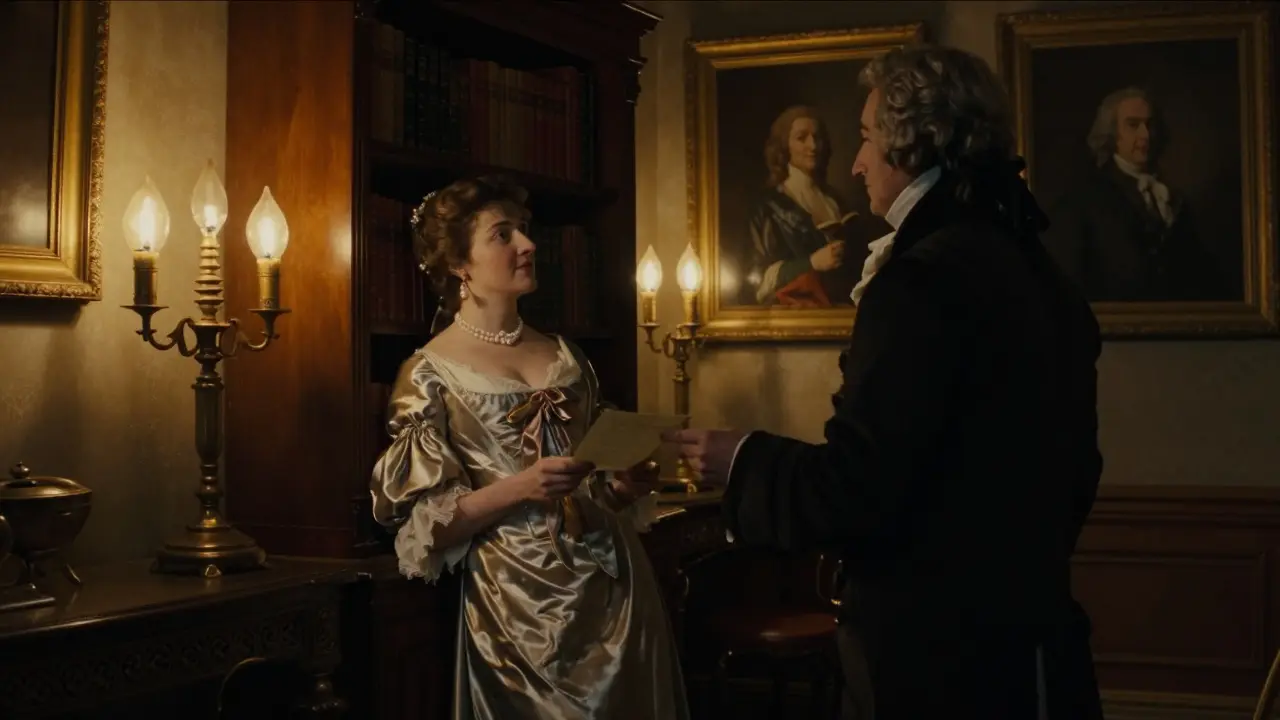
London’s escort industry didn’t start with Instagram DMs and app-based bookings. It began in alleyways behind Covent Garden pubs, in drawing rooms of Mayfair townhouses, and in the quiet corners of Georgian brothels that operated under the radar of moral reformers. The escort trade in London has always been about more than sex-it’s been about power, class, survival, and the shifting lines of what society deems acceptable.
The 18th Century: Courtesans as Social Currency
In the 1700s, London’s most famous escorts weren’t called that. They were courtesans-educated, politically connected women who moved in aristocratic circles. Figures like Kitty Fisher and Mary Robinson didn’t just provide companionship; they acted as confidantes, translators of culture, and sometimes even political influencers. A courtesan’s value wasn’t measured in cash alone, but in access: invitations to salons, introductions to powerful men, and the ability to shape public opinion.
These women often lived in luxury, owned property, and even published memoirs. Their relationships with noblemen were public knowledge, sometimes even celebrated in satirical prints. The line between mistress and escort was blurry. What mattered was discretion, charm, and the ability to navigate a world that gave women few legal rights but plenty of opportunities to leverage their beauty and wit.
The Victorian Era: Hidden in Plain Sight
By the 1850s, Victorian morality forced the industry underground. Public discourse turned to shame, and laws like the Contagious Diseases Acts targeted women, not their clients. But demand didn’t disappear-it just became more secretive. Brothels moved to backstreets in Soho and Lambeth. Women who once had names and reputations became known only by aliases: "Madame X," "The Lady in Black."
Police raids were common, but corruption was too. Many brothel keepers paid off officers to avoid closure. Records from the Metropolitan Police show that in 1871 alone, over 1,200 women were arrested for "loose conduct" in London-most were working as escorts, not streetwalkers. The real scandal wasn’t the work itself, but the fact that so many upper-class men were involved. Newspapers of the time avoided naming them, but gossip columns whispered names like "the banker from Threadneedle Street" or "the judge from the Old Bailey."
The 20th Century: War, Change, and the Rise of the Independent
World War II changed everything. With thousands of men away at the front, women took on new roles-factory workers, clerks, nurses-and with them came new freedoms. After the war, many women who had worked as escorts during the conflict didn’t return to domestic life. They stayed in London, opened flats, and began advertising through classified ads in newspapers like the Evening Standard or Time Out.
By the 1970s, the term "escort" started replacing "prostitute" in polite conversation. Agencies began appearing in central London, offering "companionship services" with vague disclaimers about "social events" and "dinner dates." These weren’t brothels. They were offices with receptionists, dress codes, and client screening. Some even offered language lessons or theater tickets as part of the package.
It was during this time that the first real shift in power happened: women started taking control. Instead of working for pimps or brothel owners, they rented rooms, set their own rates, and managed their own bookings. The escort became a freelancer, not a pawn.

The Digital Age: Apps, Reviews, and Algorithmic Control
The 2000s brought the internet. Craigslist, followed by Backpage and then private forums, turned the escort industry into a marketplace. Clients could browse profiles, read reviews, and book appointments in minutes. Escorts no longer needed agencies-they could build their own brand. Photographs became professional. Websites were designed like boutique hotel pages. Social media profiles doubled as portfolios.
By 2015, platforms like Seeking Arrangement and SugarDaddyMeet had blurred the lines between dating, companionship, and paid sex. London became a hub for international clients seeking "discreet luxury." Prices for a single evening ranged from £300 for a student working part-time to over £2,500 for women with high-profile clientele and curated public personas.
But the digital shift came with new risks. Scammers cloned profiles. Clients posted fake reviews. Some escorts were blackmailed after their identities were exposed through metadata in photos. In 2019, a London-based escort collective launched a secure, encrypted booking system with identity verification and client ratings-a direct response to the chaos of open forums.
Today: Regulation, Resilience, and Rebranding
As of 2025, London’s escort industry is more fragmented than ever. There are still agencies in Mayfair that cater to corporate clients and diplomats. But the majority of workers are independent, often using encrypted apps like Whisper or private Telegram channels to connect with clients. Many now identify as "relationship consultants," "social companions," or "event partners"-terms designed to avoid legal gray zones.
Legally, prostitution itself isn’t illegal in the UK, but soliciting, pimping, and operating brothels are. This creates a strange reality: an escort can legally meet a client in a hotel room, but not in a flat she rents with a roommate. The law punishes the structure, not the transaction.
Recent court cases have started to shift this. In 2023, a London judge dismissed charges against a woman who ran a solo escort business, ruling that her work was "a form of personal service akin to private tutoring or personal training." It wasn’t a landmark ruling-but it was a signal.
Today’s top London escorts don’t just sell time. They sell experience: a curated evening, a conversation that feels like therapy, a quiet dinner in a private room with no cameras, no judgment. Some work with psychologists to develop emotional intelligence training. Others partner with luxury brands to offer curated experiences-wine tastings, gallery tours, private concerts.

Who Are the Women Behind the Profile?
They’re not all young. Many are in their 40s and 50s, with degrees, children, and full-time careers in marketing, law, or design. Some are single mothers who found that escorting gave them the flexibility to raise kids without relying on state support. Others are expats who moved to London for the freedom it still offers, even if the law doesn’t always agree.
One woman, who goes by "Lila" in her profile, left a corporate job in finance after her husband died. She started escorting to pay off medical debt. Two years later, she runs a small agency for women over 35, offering "mature companionship" with a focus on emotional connection. "I’m not selling sex," she told a journalist in 2024. "I’m selling presence. And that’s something no app can automate."
The Future: Automation, Ethics, and Legal Uncertainty
AI chatbots are now being used to screen clients-filtering out abusive language, verifying identity through voice analysis, and even suggesting conversation topics based on a client’s profile. Some agencies are testing virtual reality dates as a way to reduce physical risk. It’s not sex-it’s simulated companionship. But the demand is growing.
Meanwhile, politicians continue to debate decriminalization. Scotland has already moved toward it. In London, pressure is building from sex worker advocacy groups, legal scholars, and even some police officials who admit the current system only pushes the trade further into the shadows.
What’s clear is that the London escort industry won’t disappear. It never has. It’s adapted through wars, moral panics, economic crashes, and technological revolutions. It survives because it meets a need that society refuses to name: human connection without obligation.
And as long as that need exists, so will the women-and men-who provide it, quietly, carefully, and with more dignity than most people realize.
about author