The History of Escorts in Paris: From Royal Courts to Modern Times
Paris has long been a city of allure, where beauty, power, and desire have danced together in the shadows of its boulevards and alleyways. The story of escorts in Paris isn’t just about sex work-it’s about survival, artistry, politics, and social transformation. From the courts of Louis XIV to the neon-lit streets of Montmartre, the role of the escort has shifted with every era, yet always remained a mirror to the city’s changing values.
The Royal Courtesans: When Escorts Were Power Brokers
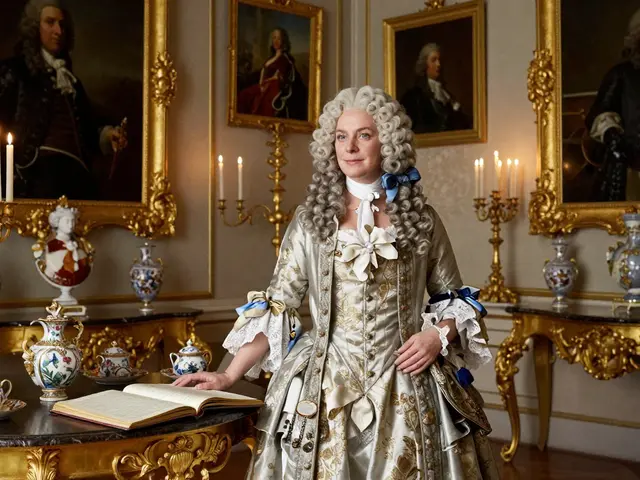
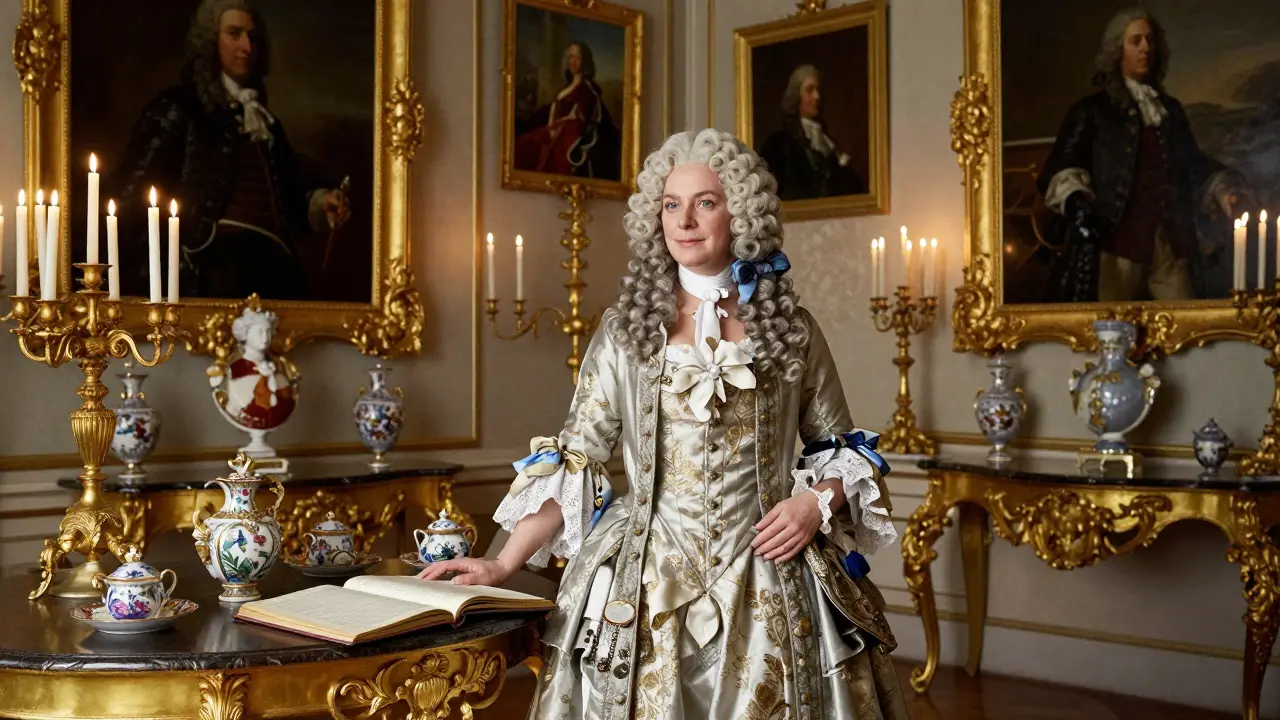
In the 17th and 18th centuries, Parisian escorts weren’t hidden away-they were celebrated. Women like Madame de Pompadour and Madame du Barry didn’t just offer companionship; they influenced kings, shaped policy, and funded artists. These women held titles, owned property, and moved in circles reserved for nobility. They were not prostitutes in the modern sense-they were highly educated, politically connected, and often more influential than many aristocrats.
Madame de Pompadour, for instance, was not only Louis XV’s mistress but also his chief advisor on art and culture. She helped launch the Rococo style, commissioned porcelain from Sèvres, and even played a role in France’s foreign policy. Her influence was so vast that she was granted the title of Marquise. In this era, being an escort meant climbing the social ladder, not falling down it.
The Rise of the Maison Close: Regulation and Respectability
By the early 1800s, Paris had over 180 licensed brothels called maisons closes. These weren’t back-alley dives-they were elegant, regulated establishments with strict rules. The government required medical checks, limited operating hours, and even assigned police officers to monitor them. Women working inside were registered, paid taxes, and could legally own property.
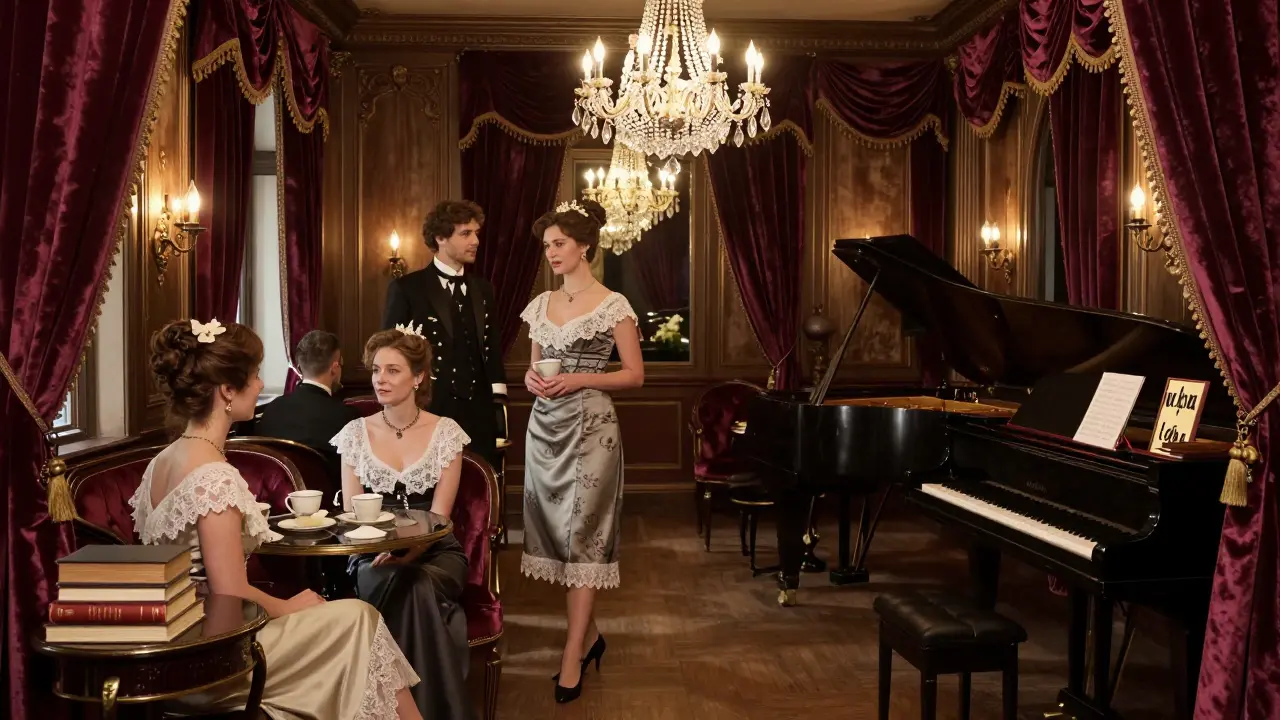
These brothels were often located in the 9th and 10th arrondissements, near train stations and business districts. Patrons included soldiers, merchants, diplomats, and even priests. The most famous, La Maison de Rennes, had velvet drapes, chandeliers, and private salons where music and conversation were as important as physical encounters. It was a business, yes-but one that operated with a strange kind of dignity.
By the 1940s, these houses were shut down under pressure from moral reformers and the Catholic Church. The last one closed in 1946, marking the end of an era where sex work was treated as a public service rather than a crime.
The Underground Years: War, Silence, and Survival
After the closure of the maisons closes, escorting didn’t disappear-it went deeper underground. During World War II, many women became escorts out of necessity. German officers paid well for companionship, and French women who worked with them were often branded as collaborators. Others worked with the Resistance, using their connections to pass messages or hide fugitives.
Post-war Paris saw a boom in jazz clubs and cabarets, and with them came a new kind of escort: the independent woman who chose her own clients. No longer tied to a house, she worked alone, often from apartments in Saint-Germain-des-Prés or Le Marais. These women were artists, writers, and performers who saw escorting as a way to fund their creativity.
One of the most famous was Yvonne de Gaulle-not the general’s wife, but a nightclub singer who doubled as a companion to American GIs. She later wrote memoirs detailing how she used her earnings to buy books, attend theater, and send her younger sister to university. Her story wasn’t about degradation-it was about agency.
The 1980s to 2000s: Glamour, Exploitation, and the Digital Shift
As Paris became a global tourist magnet, so too did its escort scene. The 1980s brought a wave of high-end agencies that marketed women as “companion services” rather than sex workers. Ads in magazines like Paris Match and Le Figaro offered “discreet companionship for businessmen and diplomats.”
By the 2000s, websites like Paris Escorts and Le Guide des Dames replaced print ads. Clients could now filter by language, appearance, and even hobbies. A woman might be listed as “fluent in Italian, enjoys classical piano, and prefers long dinners over quick encounters.” The language of escorting had changed-it was no longer about lust, but about lifestyle.
But this shift also brought exploitation. Many women were trafficked from Eastern Europe and forced into work under false contracts. The French government cracked down hard after 2003, arresting pimps and shutting down agencies. But the demand didn’t vanish-it just moved to encrypted apps and private messaging.

Modern Paris: Autonomy, Legal Gray Zones, and Changing Attitudes
Today, prostitution itself is not illegal in France-but soliciting, pimping, and buying sex are. This means women can legally offer companionship, but clients risk fines if they pay for sex. The law, passed in 2016, was meant to protect women, but many say it’s pushed them further into danger.
Many modern escorts in Paris now work as freelance consultants. They offer services like event companionship, cultural tours, language practice, or even business networking. A woman might take a client to the Louvre, explain French art history, then have dinner at a quiet bistro. The line between escort and companion is blurry-but intentional.
Organizations like STRASS (Syndicat du Travail Sexuel) advocate for decriminalization and better protections. They run drop-in centers in the 13th arrondissement where women can get legal advice, health screenings, and even help finding housing. Their motto: “No one should be punished for surviving.”
Why This History Matters
The history of escorts in Paris isn’t a tale of vice-it’s a story of resilience. These women shaped art, politics, and culture. They navigated systems that tried to control them, and often turned those systems to their advantage.
Today, when you walk past a quiet apartment in the 6th arrondissement or see a woman in a tailored coat leaving a Michelin-starred restaurant with a well-dressed man, you’re seeing the legacy of centuries of women who turned survival into strategy.
Paris never stopped being a city of seduction. It just learned to hide its edges.
Were escorts in Paris ever legally recognized as professionals?
Yes, from the early 1800s until 1946, Paris operated a system of licensed brothels called maisons closes. Women working in them were registered with the city, underwent mandatory health checks, paid taxes, and had legal rights to property and income. They were considered part of the city’s regulated economy-not criminals.
How did World War II change the escort scene in Paris?
During the German occupation, many women became escorts out of economic necessity. Some worked with German officers, others with Allied soldiers. After the war, those who collaborated with the enemy were publicly shamed, while others were ignored. The war shattered old social structures, leading to more women working independently afterward, often in cafés and jazz clubs rather than brothels.
Is it legal to hire an escort in Paris today?
It’s illegal to pay for sex in France under the 2016 law, which criminalizes clients-not sex workers. Women can legally offer companionship, conversation, or event attendance, but if money is exchanged specifically for sexual acts, the client can be fined up to €1,500. Many modern escorts now frame their services as “time and company,” not sexual services, to stay within the law.
Did any famous historical figures in Paris work as escorts?
Yes. Madame de Pompadour and Madame du Barry were mistresses of King Louis XV and wielded immense political influence. They weren’t called escorts, but their roles were identical: paid companionship with access to power. Other women, like the dancer and courtesan La Maupin, became celebrities for their wit and charm, even appearing in plays written about them.
What role did art play in shaping perceptions of escorts in Paris?
Artists like Toulouse-Lautrec, Degas, and Renoir painted courtesans and dancers, turning them into symbols of modernity. These weren’t moral condemnations-they were celebrations of independence. Paintings of women in boudoirs or cabarets helped normalize the idea that sex work could be part of urban life. Even today, museums like the Musée d’Orsay display these works without stigma.
about author