The Art of Parisian Nightlife: From Cabarets to Late-Night Cafés
Paris doesn’t shut down when the sun goes down. In fact, that’s when the real magic begins. While tourists flock to the Eiffel Tower by day, locals and seasoned visitors know the city comes alive after midnight - not with loud clubs and neon lights, but with quiet corners, jazz spilling out of basement rooms, and the clink of glasses in cafés that stay open until dawn.
Montmartre’s Cabarets: Where the Night Began
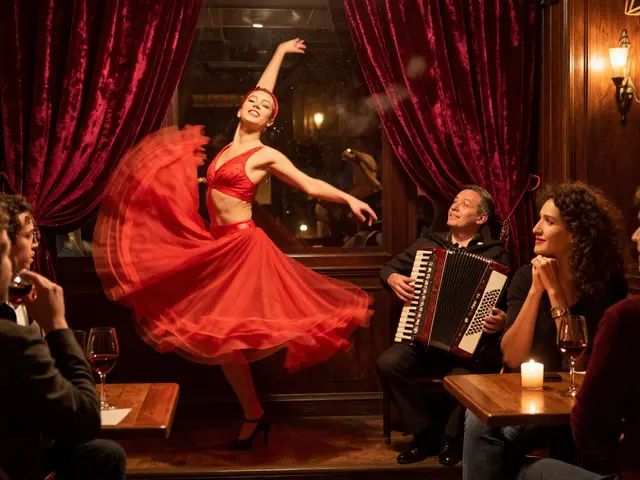
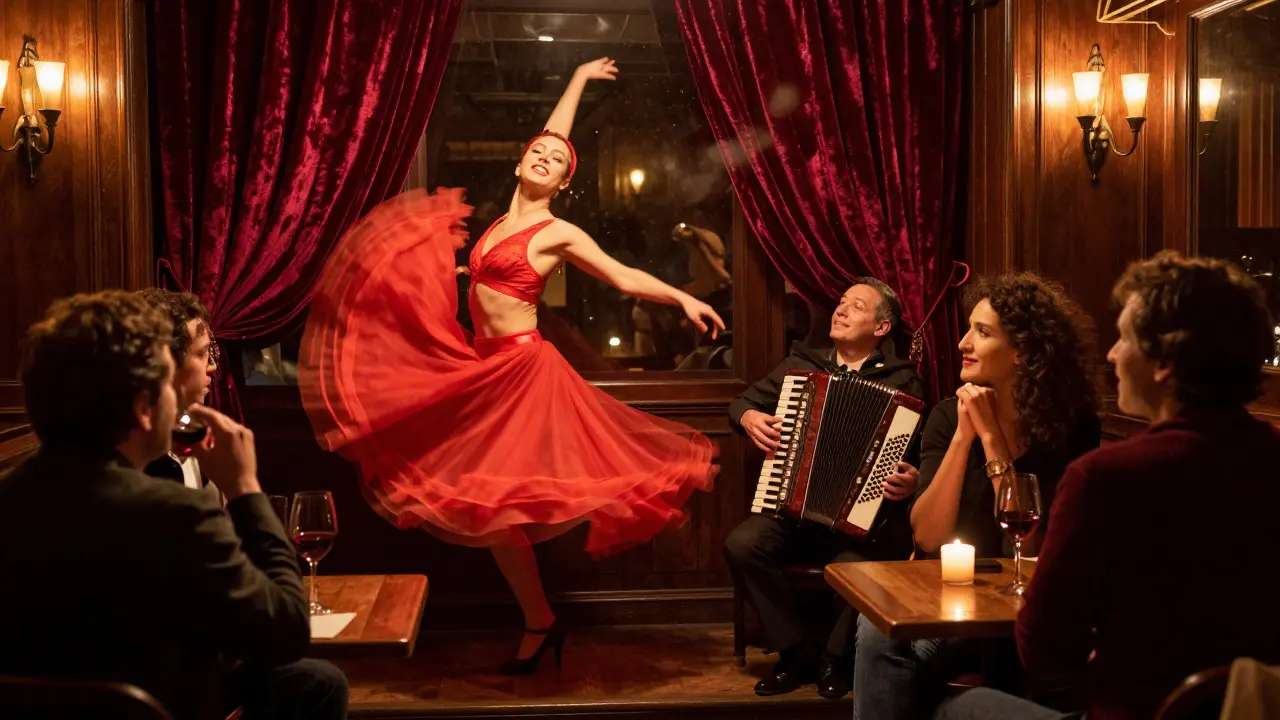
When you think of Parisian nightlife, the first image that comes to mind is probably the Moulin Rouge. And for good reason. Since 1889, this red windmill has been the symbol of Parisian cabaret culture. But it’s not the only one. In Montmartre, the streets still hum with the echoes of can-can dancers and accordion players. The Cabaret de L’Enfer and Le Chat Noir (reopened in modern form) offer shows that feel more like theater than entertainment. These aren’t just tourist traps. They’re living museums of French performance art, where every routine is choreographed with wit, satire, and a touch of rebellion.
What makes them special isn’t the feathers or the glitter. It’s the intimacy. You’re seated at a small table, barely a meter from the stage. The performers look you in the eye. They know you’re not just another face in the crowd - you’re part of the story. Tickets start at €45, but the real value is in the history. You’re not just watching a show. You’re sitting where Oscar Wilde, Picasso, and Cocteau once did.
The Late-Night Cafés: Where Time Slows Down
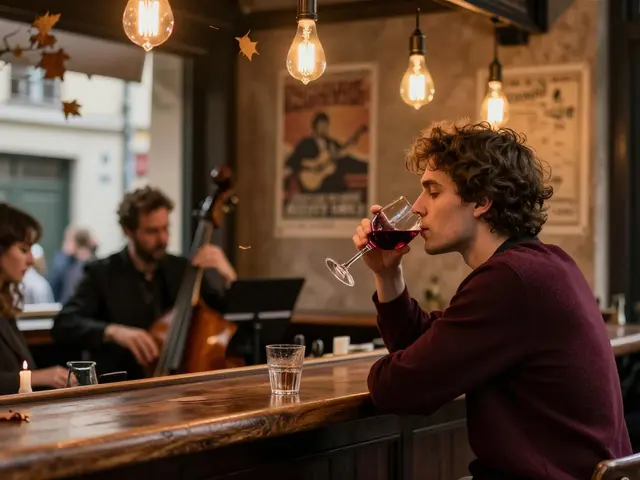
Not every Parisian night needs music or dancing. Some nights call for a coffee, a cigarette, and the quiet rhythm of a city that never rushes. Head to Café de Flore or Les Deux Magots in Saint-Germain-des-Prés after 11 p.m. and you’ll find students, writers, and artists still hunched over laptops or notebooks. The lights are dim, the espresso is strong, and the staff doesn’t rush you out. These cafés have stayed open past midnight for over a century because they’re not just places to drink - they’re sanctuaries for thought.
Down in the 11th arrondissement, Le Baron and La Belle Équipe offer something different: a neighborhood vibe. La Belle Équipe serves wine by the glass, plays vinyl records from the 70s, and has a patio where people linger until 3 a.m. It’s not fancy. No velvet ropes. No cover charge. Just good wine, good company, and a feeling that the night is yours to stretch out.
Jazz and Hidden Bars: The Underground Pulse
If you want to feel like you’ve stumbled into a secret, head to Le Caveau de la Huchette in the 5th arrondissement. This cellar bar has been playing live jazz since 1934. The walls are stained with decades of smoke, and the musicians play like they’ve been doing it since they were kids - because many of them have. No one stands still here. People dance on the narrow floor, swaying with the rhythm. It’s not loud. It’s not crowded. It’s alive.
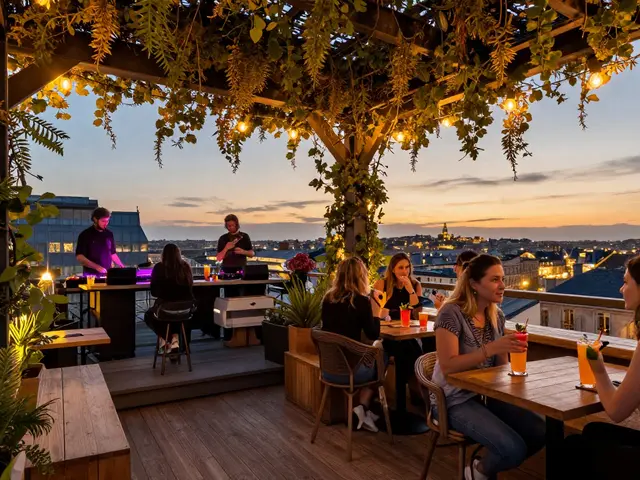
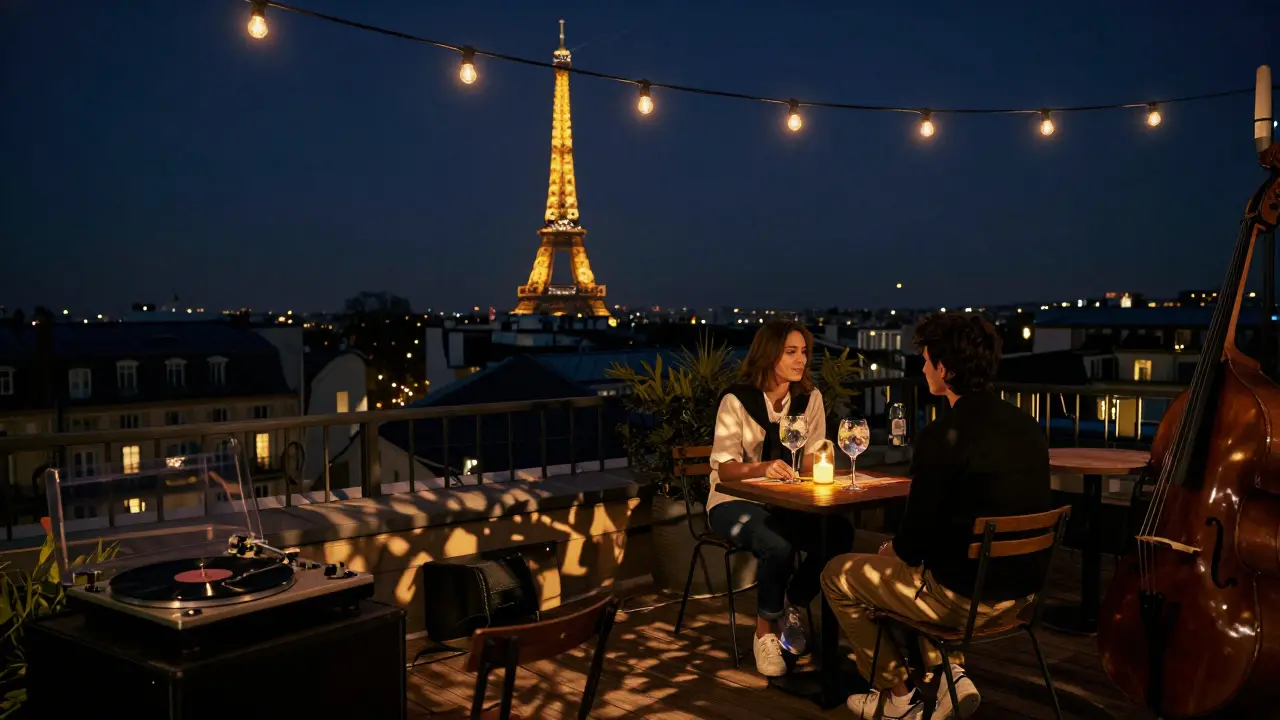
Try Le Perchoir on the rooftop of a 19th-century building in the 19th arrondissement. It’s not hidden, but it feels that way. You climb a narrow staircase, step out onto a terrace with views of the city lights, and order a gin and tonic made with French botanicals. The music is a mix of soul, jazz, and French pop. The crowd? Young professionals, expats, and locals who know better than to go to the overpriced clubs near Champs-Élysées.
The 24-Hour Boulangeries: Breakfast at 3 a.m.
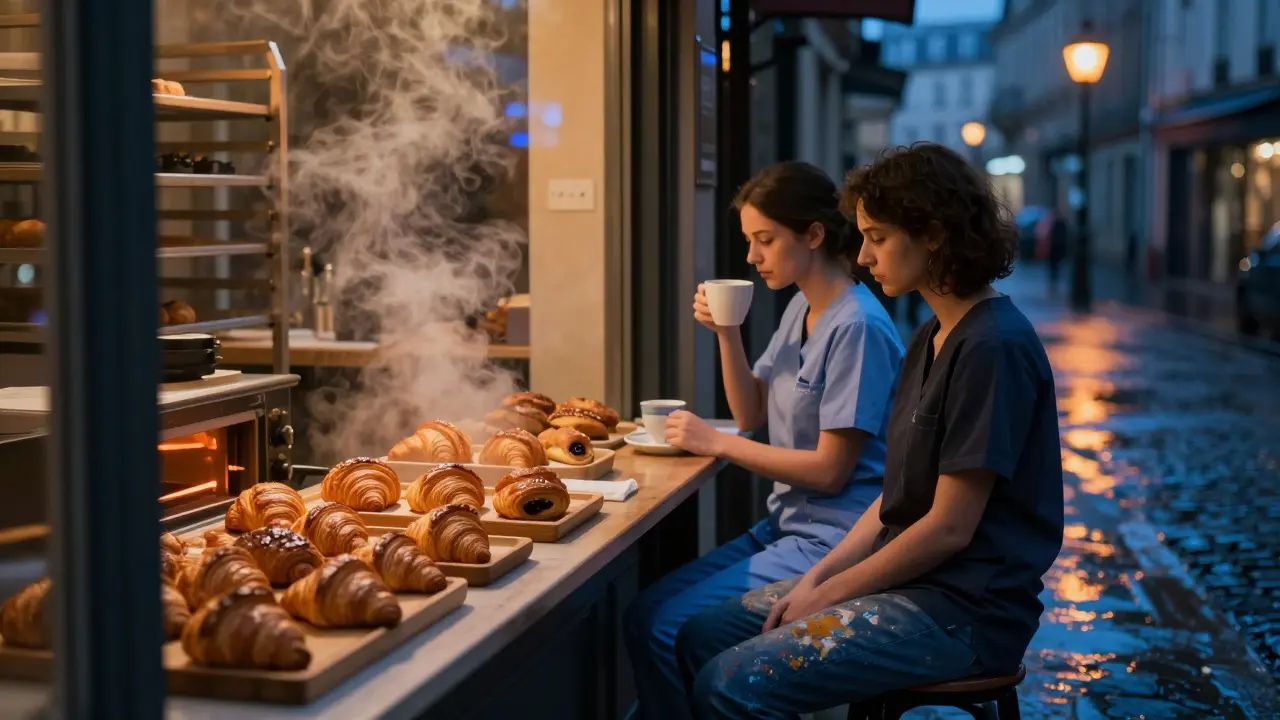
Paris doesn’t just stay awake - it feeds you. If you’ve been out until 4 a.m., you’ll find that some boulangeries never close. Boulangerie du Marché in the 10th arrondissement opens at 3 a.m. and sells still-warm croissants, pain au chocolat, and café crème. It’s the same place where nurses from nearby hospitals stop after night shifts. Where artists head after finishing a painting. Where couples sit side by side, silent, eating in the dim glow of the oven.
These aren’t tourist spots. They’re lifelines. The smell of fresh bread at 3 a.m. is one of the most comforting things in Paris. You don’t need to order anything fancy. Just a croissant and a coffee. Sit by the window. Watch the city slowly wake up. You’ll understand why Parisians say, “La nuit, c’est notre jour.” - Night is our day.
What Makes Parisian Nightlife Different?
It’s not about how loud it is. It’s not about how many people are there. It’s about the quality of the experience. In London, you go out to party. In Berlin, you go out to dance until sunrise. In Paris, you go out to be.
There’s no pressure to drink, to dance, to post on Instagram. You can sit alone at a café and read. You can listen to a saxophone player who’s been performing in the same metro station for 27 years. You can find a bar with no sign, just a single light above the door, and be welcomed like an old friend.
Parisian nightlife doesn’t cater to trends. It doesn’t chase viral moments. It’s built on rhythm - the rhythm of conversation, the rhythm of music, the rhythm of a city that moves at its own pace.
How to Navigate It Without Feeling Lost
- Start late. Most places don’t fill up until after 11 p.m. Don’t show up at 9 p.m. expecting a party.
- Walk. The best spots are hidden in narrow streets. Use Google Maps only to find your neighborhood. Then let yourself wander.
- Learn a few phrases. “Un verre, s’il vous plaît” goes further than any app. A smile and “Merci” will get you farther than a tip.
- Respect the silence. If someone’s reading, talking quietly, or just staring out the window - don’t interrupt. Parisians value space, even in crowds.
- Carry cash. Many small bars and cafés don’t take cards after midnight.
When to Go - And When to Skip
Summer nights are electric. July and August bring outdoor concerts, rooftop movies, and extended café hours. But the real magic? It’s in the off-season. November to February, when the air is crisp and the streets are quieter. That’s when you’ll find the true soul of Parisian nightlife - not the polished version for tourists, but the raw, real thing.
Avoid the Champs-Élysées after 10 p.m. unless you want overpriced cocktails and selfie sticks. Skip the clubs with names like “Paradise” or “VIP Lounge.” They’re designed for groups on stag nights, not for people who want to feel something.
Final Thought: It’s Not About the Place - It’s About the Moment
You won’t remember the name of the bar where you had your last drink. You’ll remember the way the streetlamp flickered as you walked home. The sound of a distant accordion. The warmth of a croissant still slightly warm from the oven. The silence between two strangers who didn’t speak but somehow understood each other.
Parisian nightlife isn’t a checklist. It’s a feeling. And it’s waiting for you - not in the most famous spots, but in the quiet corners, the late-night cafés, the basement jazz bars, and the boulangeries that never close.
Are Parisian nightclubs safe for solo travelers?
Yes, most are. Paris has one of the lowest violent crime rates among major European cities. The biggest risk is pickpockets in crowded areas like Montmartre or near metro stations. Stick to well-lit streets, avoid flashing valuables, and don’t follow strangers into alleyways. Most nightlife venues are staffed and monitored. Stick to places with a local crowd - they’re safer and more authentic.
Can you visit cabarets without buying a full dinner package?
Absolutely. While places like the Moulin Rouge offer dinner-and-show combos for €120+, you can buy just the show ticket for around €45-60. Many smaller cabarets, like Le Chat Noir or L’Enfer, don’t even serve food. They focus on performance. If you’re on a budget, skip the meal and just enjoy the act. You’ll still get the full experience - and more authenticity.
What’s the best time to visit Paris for nightlife?
Late spring (May-June) and early fall (September-October) are ideal. The weather is mild, the crowds are thinner than in summer, and most venues are fully operational. Winter (December-February) is surprisingly intimate - fewer tourists, longer hours at cafés, and a cozy, almost nostalgic feel. Avoid August if you want lively nightlife - many locals leave the city, and some bars close for vacation.
Do I need to dress up for Parisian nightlife?
Not unless you’re going to a high-end cabaret or rooftop bar. For cafés, jazz clubs, and neighborhood bars, smart casual is enough - dark jeans, a nice shirt, and clean shoes. No need for heels or ties. Parisians value elegance over flash. If you look like you’re trying too hard, you’ll stand out - and not in a good way. The goal is to blend in, not to impress.
Are there any 24-hour places in Paris?
Yes, but they’re rare and mostly food-focused. Boulangeries like Boulangerie du Marché (10th) and Boulangerie Pâtisserie du Marché (11th) open at 3 a.m. and serve until 7 a.m. Some pharmacies are open 24/7, and a few cafés in Gare du Nord or Montparnasse stay open all night for travelers. But don’t expect 24-hour bars - Paris has strict noise laws, and most bars close by 2 a.m. on weekdays and 3 a.m. on weekends.
about author