Nightlife in Milan: The Ultimate Guide to the City's Best Nightlife
Milan doesn’t sleep when the sun goes down. While many tourists think of the city for fashion, food, and design, the real magic happens after 10 p.m. This isn’t just a city that has nightlife-it’s a city that lives for it. You won’t find endless tourist traps here. Instead, you’ll find hidden courtyards with live jazz, rooftop lounges with panoramic views, and underground techno basements that buzz until dawn. If you want to know where locals actually go, this guide cuts through the noise.
Where to Start: Navigating Milan’s Nightlife Zones
Milan’s nightlife isn’t one big party-it’s a collection of distinct scenes, each with its own vibe. Skip the generic lists. Here’s where to head based on what you’re looking for.
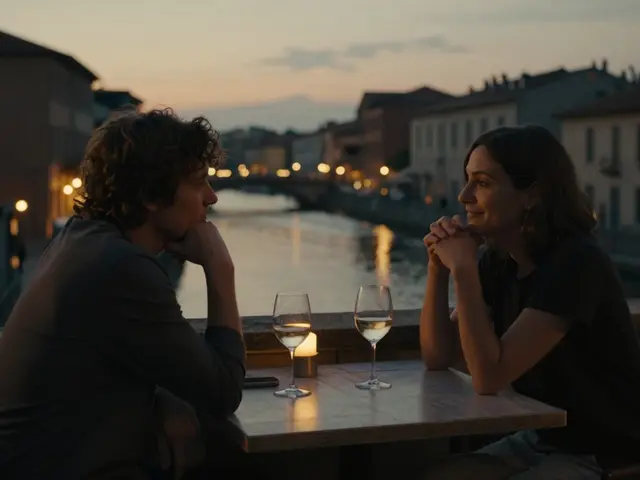
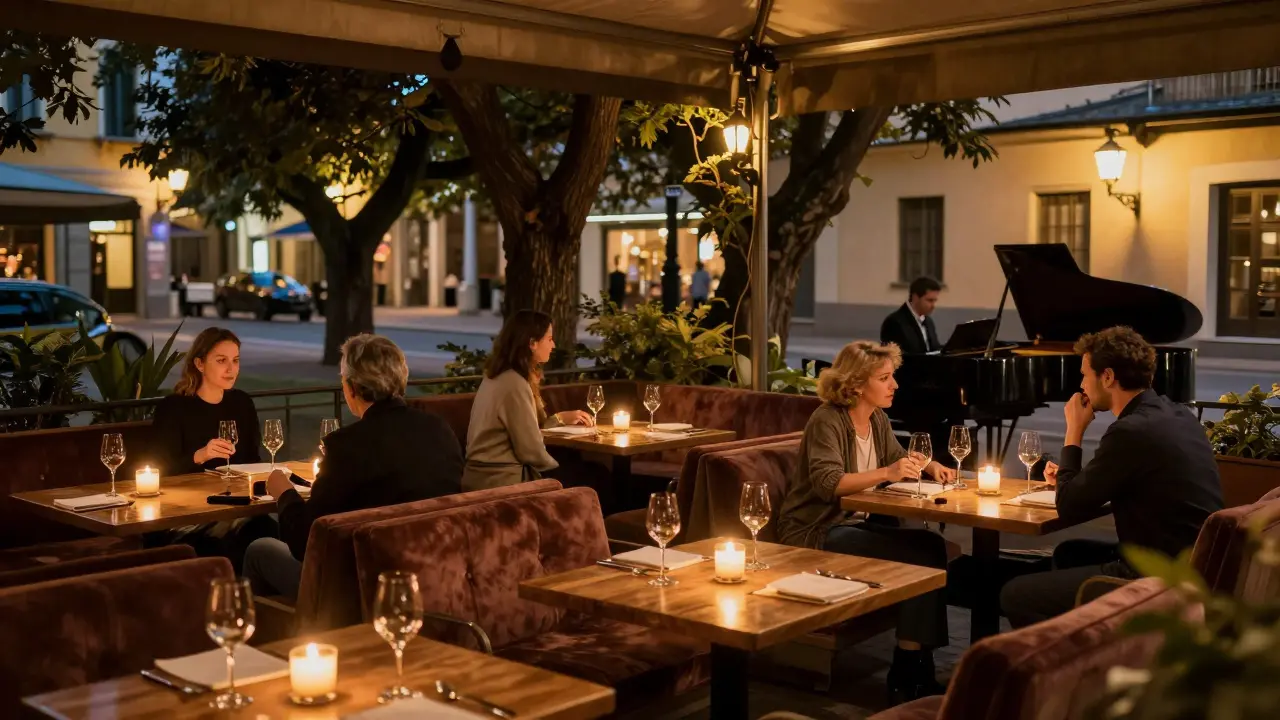
- Brera: The romantic heart. Think candlelit wine bars, live piano, and quiet terraces. Perfect for slow nights with good conversation.
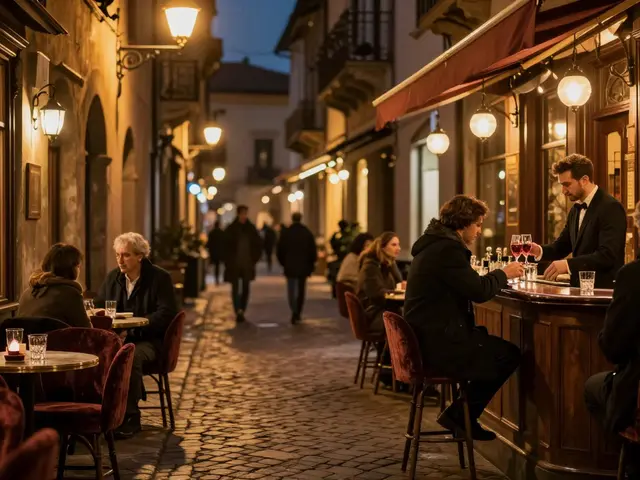
- Porta Ticinese: The rebel zone. This is where students, artists, and expats crash after work. Bars spill onto cobblestone streets. You’ll find craft beer taps, vinyl-only DJs, and cheap aperitivo deals that last until midnight.
- Zona Tortona: The design crowd. Industrial lofts turned into nightclubs. Expect minimalist decor, experimental music, and a crowd that dresses like they’re on a runway.
- Corso Como: The luxury playground. Think VIP sections, bottle service, and international DJs. This is where Milan’s elite unwind-but you don’t need to be rich to get in.
- Isola: The up-and-coming hub. Former factories now house rooftop bars and underground clubs. It’s gritty, real, and full of surprises.
Most locals start with aperitivo around 7 p.m.-a tradition where you pay for a drink and get a buffet of snacks. It’s not just cheap food. It’s the ritual that sets the tone for the night. Skip the touristy spots near Duomo. Head to Bar Basso or Il Baretto instead. They’ve been doing it right since the 1980s.
The Top 5 Bars You Can’t Miss
Not every bar in Milan deserves your time. Here are five that stand out-not because they’re famous, but because they’ve earned their reputation.
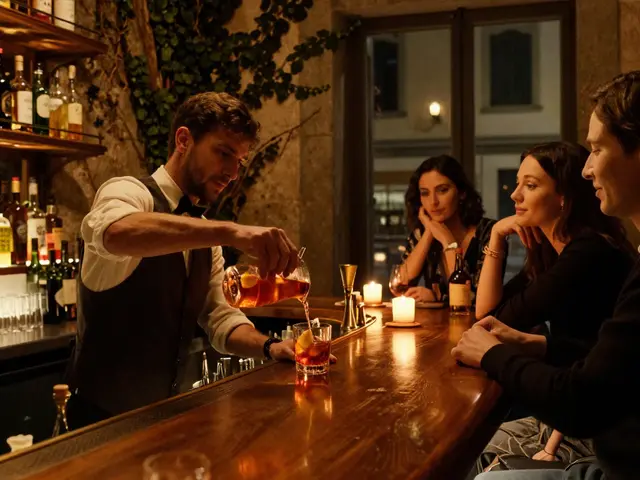
- Bar Basso - Famous for inventing the Negroni Sbagliato. Dark wood, velvet booths, and a crowd that includes chefs, models, and old-school Milanese. Order the drink that started it all. Don’t ask for substitutions.
- Il Baretto - A 24/7 institution. Open since 1984. The bartender remembers your name. The aperitivo spread changes daily. It’s loud, warm, and feels like home.
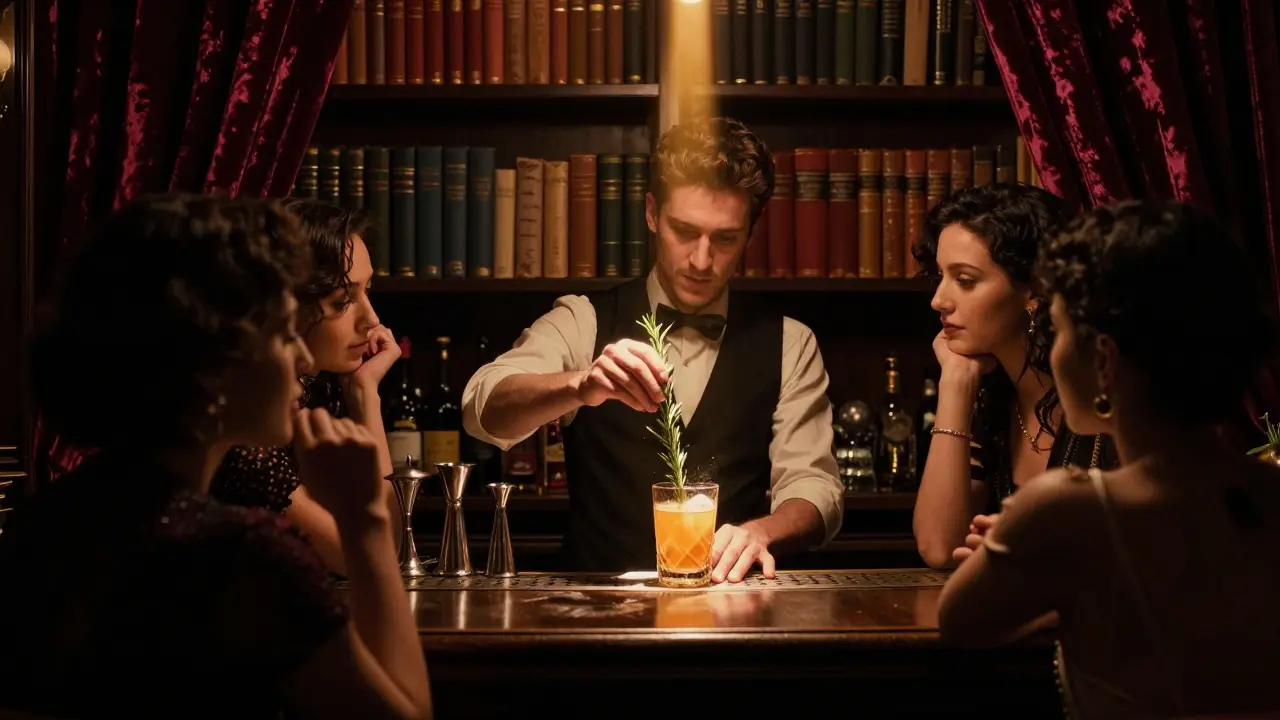
- Al Gatto Nero - Hidden behind a bookshelf in Brera. You need a reservation. The cocktails are poetic. Each one comes with a story. Try the “Lost in Translation”-gin, violet liqueur, and smoked rosemary.
- La Cucina - Not a kitchen. Not a restaurant. A rooftop bar above a vintage shop in Isola. The view of the city skyline at sunset is worth the climb. They serve natural wine by the glass and play indie Italian rock.
- Club 22 - A secret speakeasy under a laundromat in Porta Ticinese. No sign. Just a buzzer. You’ll need to text a code to get in. Once inside, it’s all dim lighting, vinyl records, and cocktails made with house-infused spirits.
Where to Dance: Milan’s Best Clubs
Forget the clubs that advertise on Instagram. The real ones don’t need to. Here are the three that keep Milan’s dance floors alive.
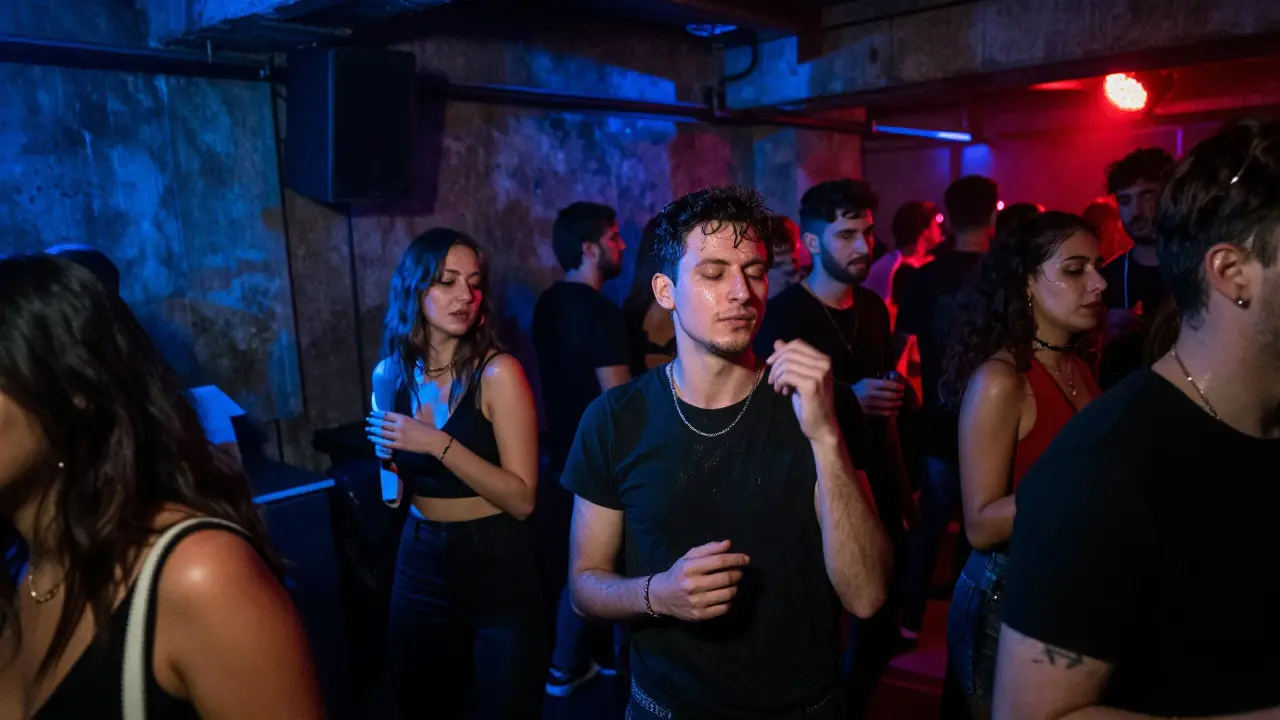
- La Scala Club - Not the opera house. This is a 300-capacity warehouse in Zona Tortona. No VIP area. No dress code. Just bass. They host underground techno artists from Berlin and Tokyo. Doors open at 1 a.m. and close at 7 a.m. No exceptions.
- Magazzini Generali - A former industrial complex turned multi-room club. One room plays disco, another plays house, a third plays experimental electronic. The lighting changes with the music. You’ll lose track of time. And you won’t care.
- Alcatraz - The oldest underground club in Milan. Started in the 1990s. Still runs on passion, not profit. They don’t have a website. Follow them on Instagram for last-minute lineups. Expect local bands, punk sets, and DJs who mix Italian folk with techno.
Most clubs in Milan don’t open until midnight. Don’t show up early. The energy doesn’t kick in until after 1 a.m. And if you’re asking about cover charges-most places don’t charge until after 2 a.m., and even then, it’s usually just 5 to 10 euros.
Aperitivo Culture: More Than Just Free Snacks
Don’t treat aperitivo like happy hour. It’s a ritual. You pay 10 to 15 euros for a drink, and you get access to a buffet that might include mini sandwiches, truffle arancini, smoked salmon bites, and even pasta. It’s not about quantity-it’s about quality.
Some places go all out. At Bar Luce, designed by Wes Anderson, the buffet is curated like a film set. At La Permanente, they serve regional specialties from Lombardy-think bresaola with pear and gorgonzola. You’ll eat better here than at many restaurants.
Pro tip: Go between 6:30 and 8 p.m. After that, it’s packed. And if you’re in Porta Ticinese, try Bar del Fico. Their aperitivo includes homemade focaccia and a glass of Lambrusco. It’s the kind of place where strangers start talking and end up sharing a table.
What to Wear: Dress Code Real Talk
Milan is fashion-forward, but that doesn’t mean you need to look like a model. The city values style, not status. Here’s the real dress code:
- Brera & Corso Como: Smart casual. No sneakers. No hoodies. A well-fitted jacket or a nice blouse works.
- Porta Ticinese & Isola: Anything goes. Jeans, boots, a leather jacket. Comfort matters more than polish.
- Clubs (La Scala, Magazzini): No flip-flops. No sportswear. No visible logos. Black, navy, or neutral tones are safest.
Women: You don’t need heels. Flat boots or stylish loafers are fine. Men: Skip the tie. A button-down with rolled sleeves is enough.
The biggest mistake tourists make? Wearing branded sportswear. Milanese people notice. They don’t care if you’re rich. They care if you care.
How to Get Around: Transportation After Dark
Milan’s metro runs until 1:30 a.m. on weekdays, 2:30 a.m. on weekends. After that, you have options.
- Taxis: Use the official app Free Now. It’s cheaper than hailing one on the street. Avoid unmarked cabs.
- Bike sharing: BikeMi has night stations in key areas. Safe, quiet, and free for the first 30 minutes.
- Walking: Most nightlife zones are within 20 minutes of each other. If you’re sober, walking is the best way to feel the city.
Don’t rely on Uber. It’s rare in Milan. And don’t try to drive. Parking is a nightmare, and the city center is a ZTL (Limited Traffic Zone). Get fined if you enter without a permit.
What to Avoid
There are places that look like nightlife hotspots but are traps for tourists.
- Bar around Piazza del Duomo: Overpriced drinks, fake cocktails, and aggressive waiters.
- “Italian Night” themed clubs: They play Madonna and ABBA. Real Milan doesn’t do this.
- Bars that don’t serve aperitivo: If they don’t offer a food spread with your drink, they’re not part of the culture.
Also, don’t expect English everywhere. Learn three words: “Cosa mi consiglia?” (What do you recommend?), “Grazie”, and “Un’altra birra, per favore”. You’ll get better service, better recommendations, and maybe even an invite to a secret party.
Final Tip: Timing Is Everything
Milan’s nightlife moves at its own pace. If you show up at 10 p.m. looking to dance, you’ll be bored. If you show up at 2 a.m., you’ll be in the thick of it.
Here’s the rhythm:
- 7-9 p.m.: Aperitivo. Relax. Eat. Talk.
- 9-11 p.m.: Bar hop. Try one new place. Don’t rush.
- 11 p.m.-1 a.m.: Move to a club or live music spot. The vibe shifts.
- 1-3 a.m.: Peak time. The crowd thickens. Music gets heavier.
- 3-5 a.m.: The real crowd. The ones who don’t care about closing time.
The best nights don’t end. They fade into sunrise. And if you’re lucky, you’ll end up on a rooftop at 5 a.m., drinking espresso with strangers who become friends.
Is Milan nightlife safe at night?
Yes, Milan is one of the safest major European cities after dark. The main areas-Brera, Porta Ticinese, Isola, and Zona Tortona-are well-lit and patrolled. Avoid walking alone in poorly lit industrial zones outside the main nightlife districts. Stick to the crowds. Most incidents involve pickpockets in crowded bars, not violence. Keep your bag zipped and your phone secure.
Do I need to make reservations for Milan clubs?
For most clubs, no. La Scala Club and Magazzini Generali don’t take reservations-they’re first-come, first-served. But for speakeasies like Al Gatto Nero or exclusive rooftop bars like La Cucina, book ahead. Use Instagram DMs or their website if they have one. Don’t show up without checking-some places fill up fast.
What’s the best night to go out in Milan?
Friday and Saturday are the busiest, but Wednesday and Thursday nights are where locals go when they want to avoid crowds. Many bars host live jazz, poetry readings, or experimental sets on midweek nights. You’ll get better service, cheaper drinks, and a more authentic vibe. If you’re only in town for one night, go Friday. If you’re staying longer, spread it out.
Are there any age restrictions in Milan nightclubs?
Most clubs allow entry at 18, but some upscale venues like Corso Como spots set the limit at 21. Always carry ID. Even if you look older, bouncers will ask. No exceptions. If you’re under 18, you won’t be let in anywhere. Bars that serve alcohol are strict-this isn’t a place where you can sneak in with a fake ID.
Can I find English-speaking staff in Milan’s nightlife spots?
In tourist-heavy areas like Corso Como, yes. But in the real hotspots-Porta Ticinese, Isola, Brera-you’ll find mostly Italian speakers. That’s part of the charm. Learn a few phrases. Most bartenders will help you if you try. And if you’re lucky, they’ll teach you a new cocktail name in Italian. It’s part of the experience.
about author