Unforgettable Nights in Paris: The Ultimate Guide to Nightlife in the City of Lights
Paris doesn’t sleep-it just changes outfits.
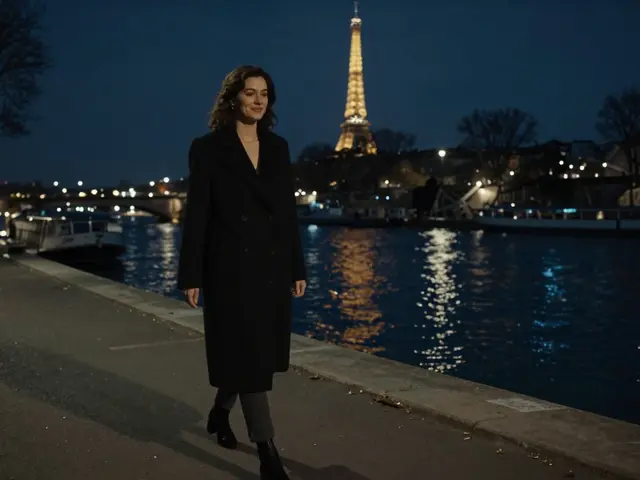
You can walk the Seine at midnight and hear jazz drifting from a basement club in Le Marais. You can sip a negroni under string lights in Saint-Germain while a group of locals debate philosophy over a shared bottle of wine. Or you can dance until 5 a.m. in a warehouse-turned-club near Canal Saint-Martin, where the bass thrums through your chest and the air smells like rain and perfume. This isn’t just partying. This is Paris after dark, and it’s nothing like the postcards.
Forget the idea that Paris shuts down after 10 p.m. The city has layers. There’s the elegant, candlelit wine bar where the sommelier remembers your name. There’s the underground techno spot where the DJ plays only vinyl from 1998. And then there’s the rooftop bar with a view of the Eiffel Tower sparkling at exactly 1 a.m. Every corner of Paris has its own rhythm after sunset.
Where to Start: The Neighborhoods That Come Alive
Paris isn’t one nightlife scene-it’s a dozen. Each arrondissement has its own flavor, and knowing where to go makes all the difference.
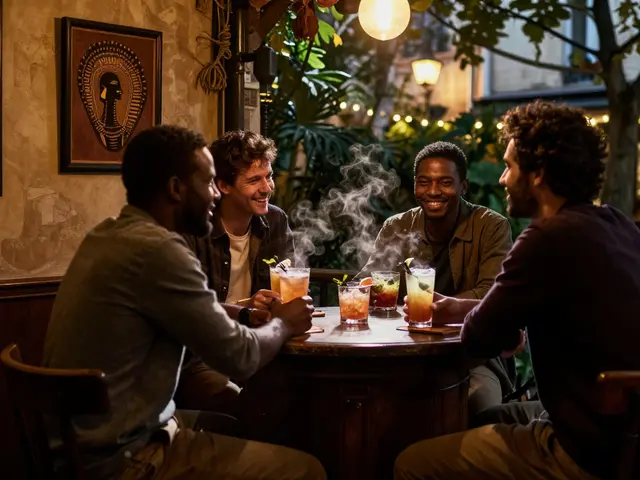
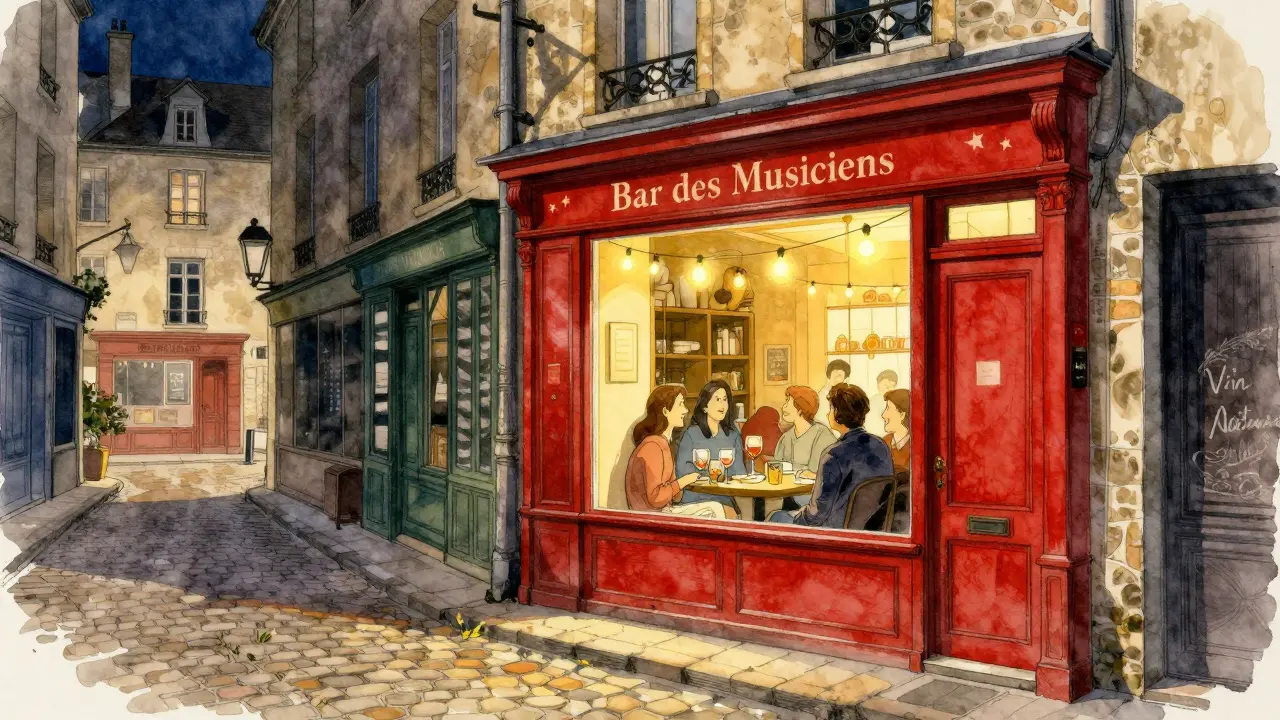
Le Marais is the heart of cool. Narrow streets, old stone buildings, and a mix of queer-friendly bars, vintage record shops, and hidden cocktail lounges. Bar des Musiciens is a local favorite-no sign, just a red door. Inside, you’ll find a tiny space packed with people sipping natural wine and laughing like they’ve known each other for years. It’s the kind of place you stumble into and never want to leave.
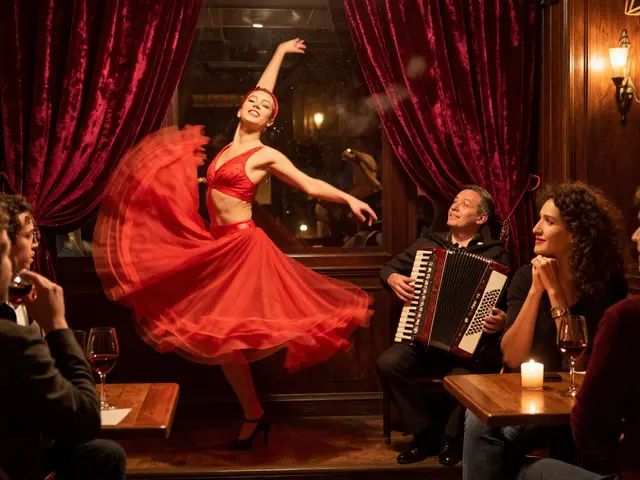
Saint-Germain-des-Prés is where Parisians go to be seen, but not too loud. Think dim lighting, leather booths, and jazz trios playing live. Le Caveau de la Huchette has been swinging since 1946. You’ll find tourists here, sure, but also older couples who’ve been coming for decades. The music doesn’t stop until the last person leaves.
Canal Saint-Martin is the city’s most relaxed vibe. Locals picnic on the banks, then wander into Le Très Petit, a tiny bar with no chairs and a menu written on a chalkboard. They serve $7 cocktails made with herbs from the window box. It’s not fancy. It’s perfect.
Belleville is where the new wave of Paris nightlife lives. Street art on the walls, Ethiopian coffee bars by day, and bass-heavy clubs by night. La Java is a legendary venue that’s hosted everyone from Edith Piaf to modern electronic acts. It’s rough around the edges, but that’s why people keep coming back.
Bars That Define the Night
Parisian bars aren’t about big signs or loud music. They’re about atmosphere, skill, and quiet confidence.
Little Red Door in the 10th arrondissement has been named one of the world’s best bars. No menu. You tell the bartender what you like-sweet, sour, bitter, strong-and they craft something unique. One night, it’s a gin drink with cucumber and elderflower. The next, it’s mezcal with smoked salt and yuzu. They don’t take reservations. You show up, wait in line, and if you’re lucky, you get a seat.
Clamato is a speakeasy hidden behind a fridge door in a butcher shop. You need to know the password (ask for the “pink ham”). Inside, it’s all velvet curtains and copper cocktail shakers. The drinks are expensive-$22 a glass-but each one tastes like a story. The bartender here once worked in Tokyo. He knows how to make a drink that lingers.
And then there’s Bar Hemingway at the Ritz. It’s the opposite of hidden. Gold leaf, crystal chandeliers, and a $25 martini. But it’s still worth it. This is where Ernest Hemingway drank in the 1920s. The recipe hasn’t changed. The ice is still hand-chipped. The gin is still British. It’s not just a bar-it’s a time capsule.
Clubs That Don’t Care What You Wear
Parisian clubs don’t have dress codes. They have vibes.
Concrete is a former parking garage turned warehouse club. No bouncers checking your shoes. No velvet ropes. Just a crowd of people dancing in sneakers and trench coats. The music? Deep house, techno, experimental electronic. The sound system? So loud you feel it in your bones. It opens at 11 p.m. and doesn’t close until noon. People sleep on the floor. Some leave at sunrise. Others never do.
La Cigale is different. It’s a historic concert hall with a balcony, velvet seats, and a stage that’s hosted everyone from David Bowie to Stromae. On weekends, it turns into a club with DJs spinning French house and disco. It’s not underground. It’s not hidden. But it’s still magical.
For something wilder, head to Le Baron. It’s a VIP spot, but not in the way you think. You don’t need to be famous. You just need to know someone who knows someone. Inside, it’s neon lights, mirrored walls, and a crowd that looks like it stepped out of a 1980s music video. The music changes every night. One night it’s hip-hop. The next, it’s French pop.
The Secret Rituals of Parisian Nightlife
There are unwritten rules here.
First: Don’t order a vodka soda. No one does. If you want something simple, ask for a verre de vin-a glass of wine. It’s cheaper, better, and you’ll fit in.
Second: Don’t rush. A night out in Paris isn’t about hitting five clubs. It’s about lingering. Sipping. Talking. The best nights start with a drink at 9 p.m. and end with coffee at 5 a.m.
Third: Learn the rhythm of the city. On Thursdays, Le Marais fills up early. Fridays, everyone heads to Canal Saint-Martin. Saturdays, the clubs get packed. Sundays? That’s when the afterparties happen-in someone’s apartment, with a boombox and a bag of chips.
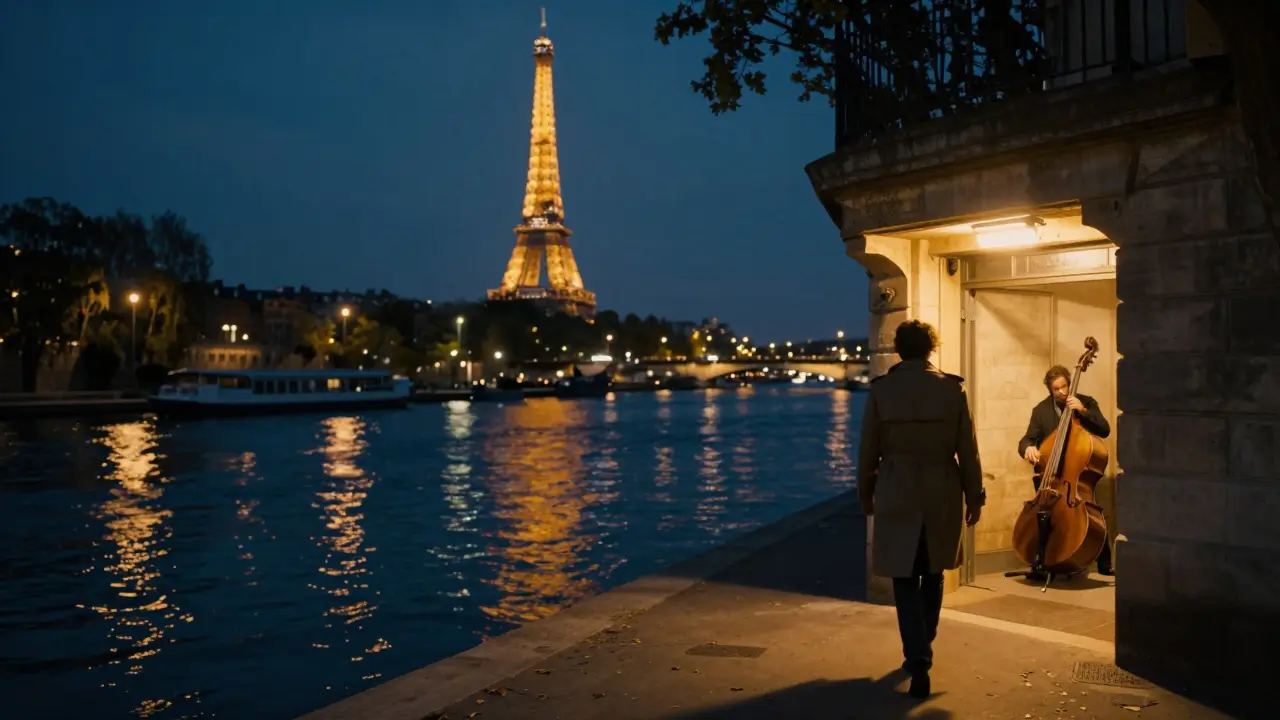
And fourth: Walk everywhere. Paris is made for walking. The Metro closes at 1:15 a.m. After that, you’re on foot. And that’s how you find the hidden spots-the 24-hour boulangerie with the best pain au chocolat, the street musician playing Debussy under the bridge, the old man selling roasted chestnuts from a cart.

What to Avoid
Not every place that looks like a bar is worth it.
Avoid the tourist traps around the Eiffel Tower. The places with neon signs and “Happy Hour” deals? They serve cheap wine in plastic cups and charge $18 for a drink that costs $2 in a local bistro.
Stay away from fake jazz clubs in Montmartre. The ones with saxophonists in tuxedos playing “La Vie en Rose” on loop? They’re for tourists who think Paris is a theme park. The real jazz is in the back rooms, where the music isn’t perfect-it’s alive.
And don’t expect to find American-style clubs. There are no giant dance floors with bottle service. There’s no DJ spinning Top 40 hits. Paris doesn’t do loud. It does deep.
When to Go and How to Plan
Paris nightlife doesn’t follow the same schedule as other cities.
Weekdays are quiet but intimate. Thursday and Friday nights are when the city wakes up. Saturday is the peak. Sunday is for lingering. Monday? Most places are closed. Tuesday? The quietest night of the week. But that’s when you’ll find the real insiders-bartenders, musicians, poets-hanging out in the back of a bar, talking about art and life.
Plan ahead, but leave room for surprises. Download the Paris Nightlife Map app-it’s free, updated weekly, and lists open spots by neighborhood. Don’t rely on Google Maps. It’s often wrong.
Bring cash. Many small bars and clubs don’t take cards. And always carry a light jacket. Even in summer, the night air gets cool after midnight.
Why This Isn’t Just a Night Out
Paris at night isn’t about drinking. It’s about connection.
You’ll talk to strangers who become friends. You’ll hear a song you didn’t know you loved. You’ll watch the Eiffel Tower sparkle and realize you’re not just a visitor-you’re part of something bigger. The city doesn’t just entertain you. It invites you in.
That’s the magic. You don’t find Paris nightlife. It finds you.
Is Paris nightlife safe at night?
Yes, Paris is generally safe at night, especially in tourist and nightlife areas like Le Marais, Saint-Germain, and Canal Saint-Martin. Stick to well-lit streets, avoid isolated parks after midnight, and keep your belongings close. Pickpocketing is the main risk-never leave your bag unattended, even at a bar. The metro stops running around 1:15 a.m., so plan your walk home or use a licensed taxi.
What’s the best time to visit Paris for nightlife?
Late spring through early fall (May to September) is ideal. The weather is mild, outdoor terraces are open, and festivals like Nuit Blanche bring the whole city alive. But winter nights have their own charm-cozy wine bars, candlelit jazz clubs, and fewer crowds. If you want the full experience, aim for late June or early July.
Do I need to make reservations for bars and clubs in Paris?
For most small bars and underground spots, no. Walk-ins are the norm. But popular places like Little Red Door, Le Baron, or La Cigale can get crowded on weekends. If you’re set on a specific venue, call ahead or check their Instagram for waitlist info. Some rooftop bars require reservations, especially if you want a view of the Eiffel Tower.
What’s the average cost of a night out in Paris?
A night out can cost anywhere from €20 to €150, depending on where you go. A glass of wine at a local bar is €6-€9. A cocktail at a top spot is €15-€22. Club entry is usually free before midnight, then €10-€20. If you’re eating, a simple snack like a baguette with cheese costs €5. A full dinner with wine? €40-€60. Budget €80-€120 for a full night of drinks, music, and snacks.
Are there any 24-hour places in Paris?
Yes, but they’re rare. Boulangerie Poilâne on Rue du Cherche-Midi is open 24/7 and serves the best bread in the city. Some kebab shops in the 13th arrondissement stay open all night. And a few underground clubs like Concrete run until noon. But don’t expect Starbucks or convenience stores to be open all hours. Paris shuts down quietly.
What should I wear to Paris nightlife?
Parisians dress to feel good, not to impress. No need for heels or suits. Clean jeans, a nice shirt, a coat, and good shoes are enough. Avoid sportswear, flip-flops, or baseball caps in most venues. In upscale spots like Bar Hemingway, a blazer or dress adds polish. But in Le Marais or Canal Saint-Martin, sneakers and a wool sweater are perfectly fine. The key is effortless style-not flashy.
about author