The Perfect Night Out in Paris: A Step-by-Step Guide
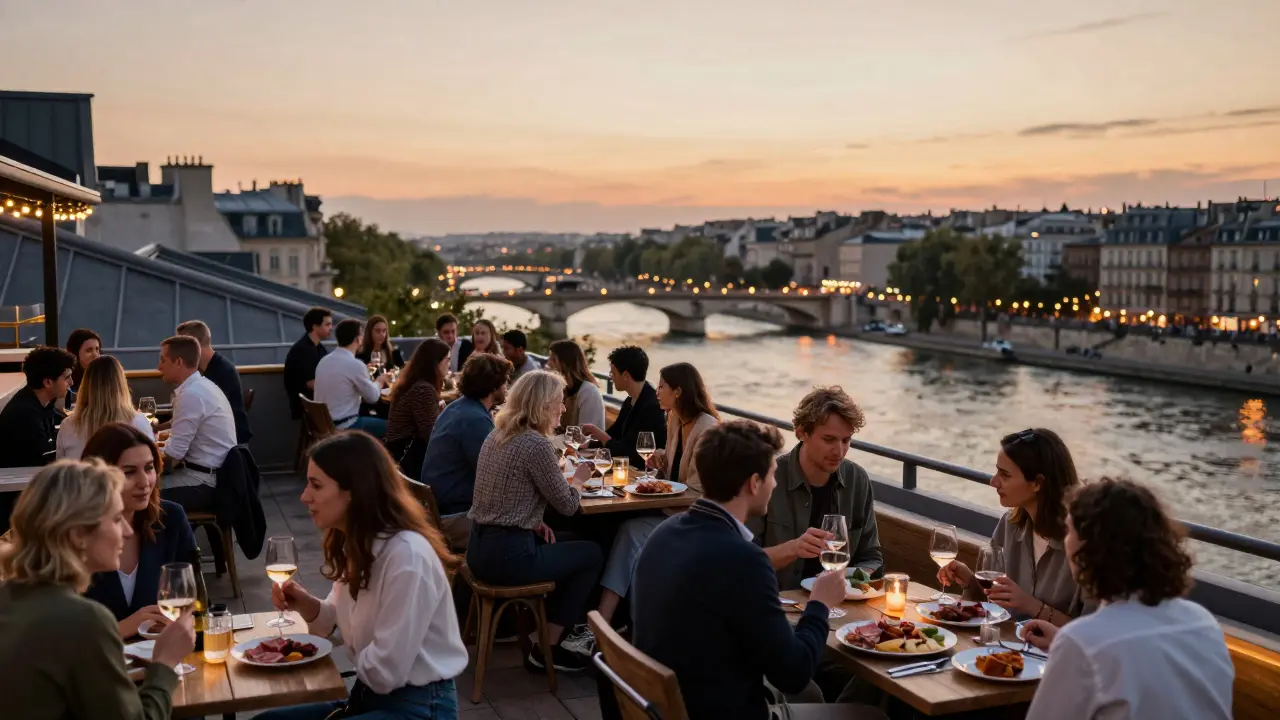
Paris isn’t just about cafés and museums at night. It’s a city that wakes up after dark, where the Seine glows under string lights, jazz spills from basement venues, and wine bars buzz with laughter you can hear from the street. If you want the perfect night out in Paris, you don’t need a VIP list or a Michelin star. You need rhythm, timing, and a little local know-how.
Start with a drink by the Seine
Don’t rush into a club. Start slow. Head to Le Perchoir on Rue de la Fontaine au Roi in the 11th. It’s a rooftop bar with a view of the city’s rooftops, not the Eiffel Tower. That’s the point. You’re here for atmosphere, not postcards. Order a glass of natural wine-maybe a Gamay from the Loire-and watch the city lights flicker on as the sun drops. The crowd? Locals in scarves, artists with sketchbooks, couples sharing charcuterie. No one’s here to be seen. Everyone’s here to be present.
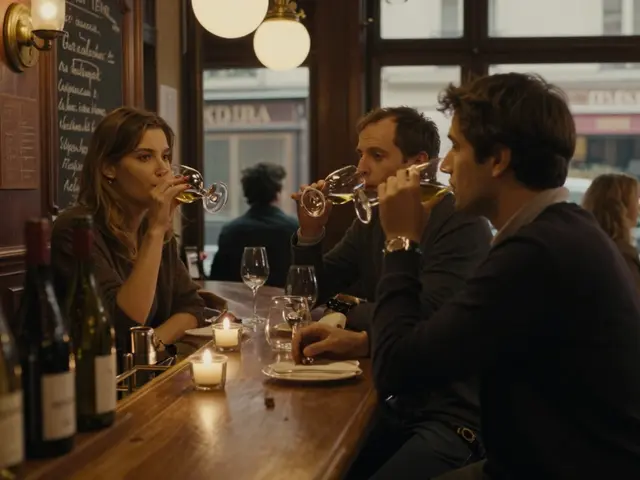
If Le Perchoir is full, walk 10 minutes to Bar des Musiciens in the 10th. It’s unmarked, no sign, just a door with a brass handle. Inside, it’s dim, warm, and smells like old wood and gin. The bartender doesn’t ask what you want-he just pours you a Negroni. That’s Paris.
Walk to a jazz club before midnight
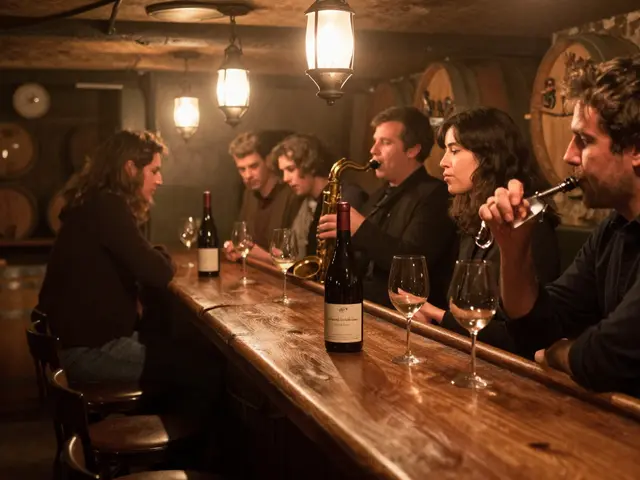
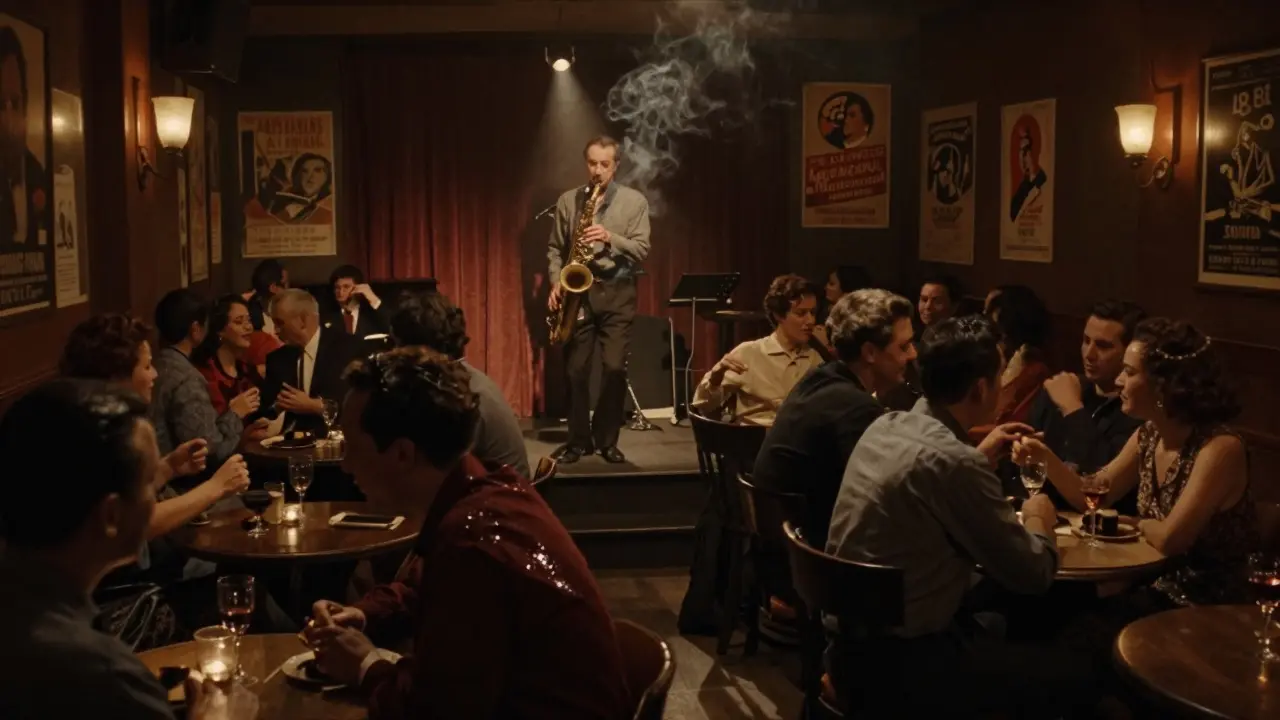
Paris has over 150 jazz venues, but only a few feel real. Skip the tourist traps near Montmartre. Instead, head to Le Caveau de la Huchette in the 5th. It’s been open since 1946. You’ll hear live swing or bebop, no cover charge, no dress code. People dance on the floor. Not perfectly. Not on purpose. Just because the music moves them. The room is small, packed with wooden benches and low ceilings. You’ll sweat a little. You’ll laugh louder than you meant to. That’s the point.
If you prefer something quieter, try New Morning in the 10th. It’s where international jazz legends play on Tuesdays. You’ll see musicians from New Orleans, Senegal, and Tokyo sharing the stage. The sound system is pristine. The crowd is silent between songs-not out of respect, but because they’re holding their breath.
Dinner? Skip the fancy places
You don’t need a three-star restaurant for a great night. Go for Le Comptoir du Relais in Saint-Germain. It’s a tiny bistro with 14 seats. You can’t book online. You show up at 7:30 p.m. and hope for a spot. The menu changes daily. One night it’s duck confit with roasted grapes. Another, it’s mackerel with pickled cherries. The chef, Yves Camdeborde, doesn’t speak much. He just serves. You eat fast. You talk louder. You leave full and happy.
Or, if you’re hungry but not in the mood for a reservation, grab a bite at Le Baratin in the 20th. It’s a working-class favorite. The wine is cheap. The cheese board is huge. The owner, a former jazz drummer, will ask where you’re from and then tell you about the best saxophonist in the city. You’ll leave with a name and a tip: “Go to La Cigale on Friday. He plays there.”
Find a hidden club after 1 a.m.
Paris clubs don’t start until after 1 a.m. and most don’t open until 2. Concrete in the 13th is one of the best. It’s a former warehouse, concrete floors, industrial lights, no velvet ropes. The music? House, techno, disco-no genre is off-limits. The crowd is mixed: students, DJs, retirees who still dance. No one checks your ID twice. No one cares if you’re wearing sneakers. You pay €10 at the door. You stay until 6 a.m. You leave with your ears ringing and your feet sore. That’s the real Paris night.
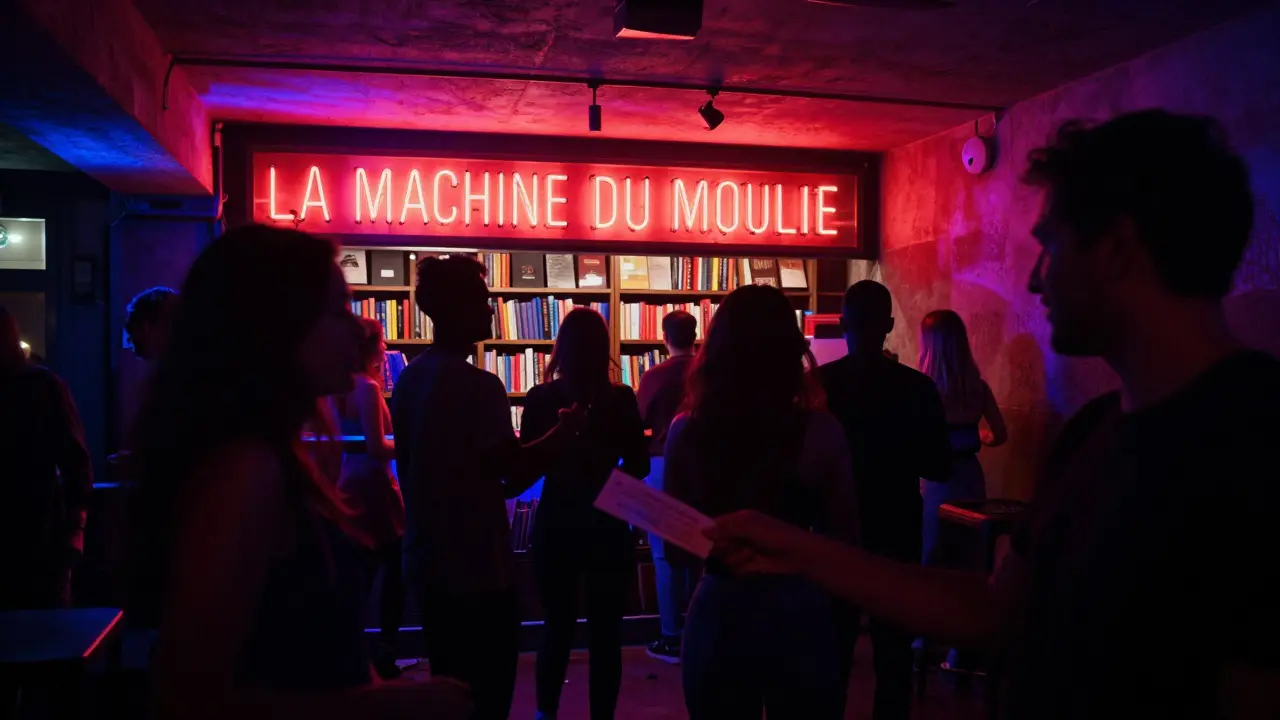
If you want something more underground, ask a bartender for La Machine du Moulin Rouge. It’s not the Moulin Rouge. It’s a secret club behind a bookshop in the 11th. You need a password. You get it from the person next to you at Le Perchoir. The music is experimental. The lighting changes every 10 minutes. You won’t know if it’s a party or an art installation. Doesn’t matter. You’re in it.
End with coffee and croissants at dawn
Paris doesn’t sleep. It just changes pace. At 6 a.m., head to Le Grenier à Pain in the 15th. It’s open 24 hours. The croissants are still warm. The coffee is strong. The old man behind the counter has been here since 1978. He doesn’t smile. He nods. You sit by the window. Outside, the city is quiet. The streets are wet from the night’s rain. A delivery truck rolls by. A cat walks across the sidewalk. You sip your coffee. You think about the jazz, the wine, the dancing. You don’t need to post it. You don’t need to remember it. You just know you were there.
What to avoid
Don’t go to the Eiffel Tower at night hoping for romance. It’s packed with tourists, overpriced champagne, and fake photographers. Skip the clubs on the Champs-Élysées. They’re loud, expensive, and soulless. Don’t order a “French 75” unless you know what it is-it’s gin, lemon, sugar, and champagne. Not syrupy fizz. And never, ever ask for “the best nightlife spot.” That’s not how Paris works. You find it by walking, listening, and letting yourself get lost.
How to dress
Parisians don’t dress for clubs. They dress for themselves. A well-fitted coat. Clean shoes. No logos. No flip-flops. No baseball caps. You don’t need to look rich. You just need to look like you belong. A scarf, a leather jacket, a simple dress. That’s enough.
Transportation tips
The metro runs until 1:15 a.m. on weekdays, 2:15 a.m. on weekends. After that, take a taxi. Uber is fine, but local apps like G7 or Bolt are cheaper. Walk if you can. Paris is safe at night. The streets are lit. People are out. You’ll hear French, Arabic, Spanish, and English-all in the same alley.
Final tip: Be present
The perfect night out in Paris isn’t about checking boxes. It’s not about taking the best photo. It’s about feeling the rhythm of the city. The clink of glasses. The hum of a saxophone. The way the light hits the Seine at 3 a.m. You don’t need a plan. You just need to show up-and let the city guide you.
What time do Paris clubs actually open?
Most Paris clubs don’t open until 1 a.m. or even 2 a.m. The city’s nightlife moves later than other European capitals. The real energy starts after midnight, and the best spots fill up after 2 a.m. Don’t show up at 11 p.m.-you’ll be the only one there.
Is Paris safe for nightlife?
Yes, Paris is generally safe at night, especially in central areas like Le Marais, Saint-Germain, and the 10th and 11th arrondissements. Avoid poorly lit side streets after 3 a.m., but most nightlife districts are well-patrolled and lively. Stick to main avenues, trust your instincts, and keep your belongings close-just like in any major city.
Do I need to speak French to enjoy Paris nightlife?
No, but knowing a few phrases helps. A simple “Bonjour,” “Merci,” and “Une bière, s’il vous plaît” goes a long way. Most bartenders and club staff speak English, especially in popular areas. But locals appreciate the effort. Don’t expect everyone to switch to English-be patient, smile, and keep it simple.
What’s the best night of the week for nightlife in Paris?
Friday and Saturday are the busiest, but Wednesday and Thursday nights are often the best for music. Many jazz clubs and underground venues host special sets midweek with fewer crowds. If you’re into live music, midweek can be more authentic. For dancing and socializing, weekends are the way to go.
Are there any free events in Paris at night?
Yes. Many jazz bars have no cover charge, especially early in the evening. The Musée d’Orsay stays open until 9 p.m. on Fridays with free entry after 7 p.m. Some bookshops host poetry readings or acoustic sets. Check Pariscope or Le Bonbon apps for free events. The city also hosts open-air film screenings in parks during summer-no tickets needed.
If you want to extend the night, explore the bookstores along the Seine at dawn. Or find a boulangerie that opens at 5 a.m. Grab a pain au chocolat. Walk. Listen. You’ll understand why Parisians say: “La nuit, c’est la ville qui parle.” At night, the city speaks.
about author