The Nightlife of Istanbul: A Cultural and Culinary Experience
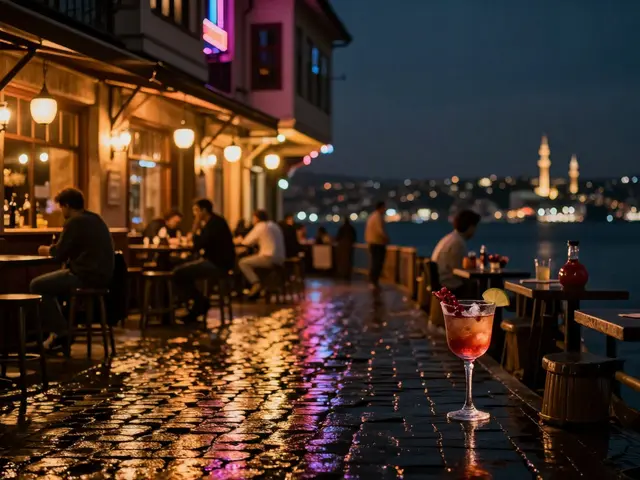
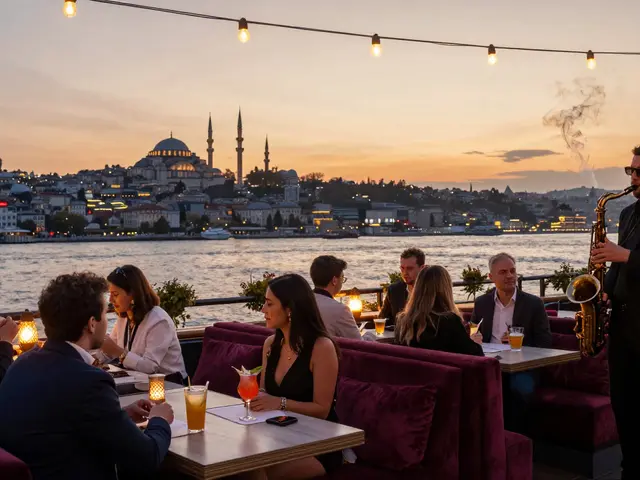
When the sun sets over the Bosphorus, Istanbul doesn’t just wake up-it transforms. This isn’t just a city that stays up late; it’s a place where history, flavor, and rhythm collide after dark. Forget the quiet streets you walked during the day. At night, Istanbul becomes a living, breathing party that smells of grilling kebabs, echoes with live saz music, and hums with the clink of glasses in hidden rooftop bars. It’s not about partying for the sake of it. It’s about experiencing a culture that knows how to live fully, even when the clocks say it’s time to sleep.
Where the Streets Come Alive
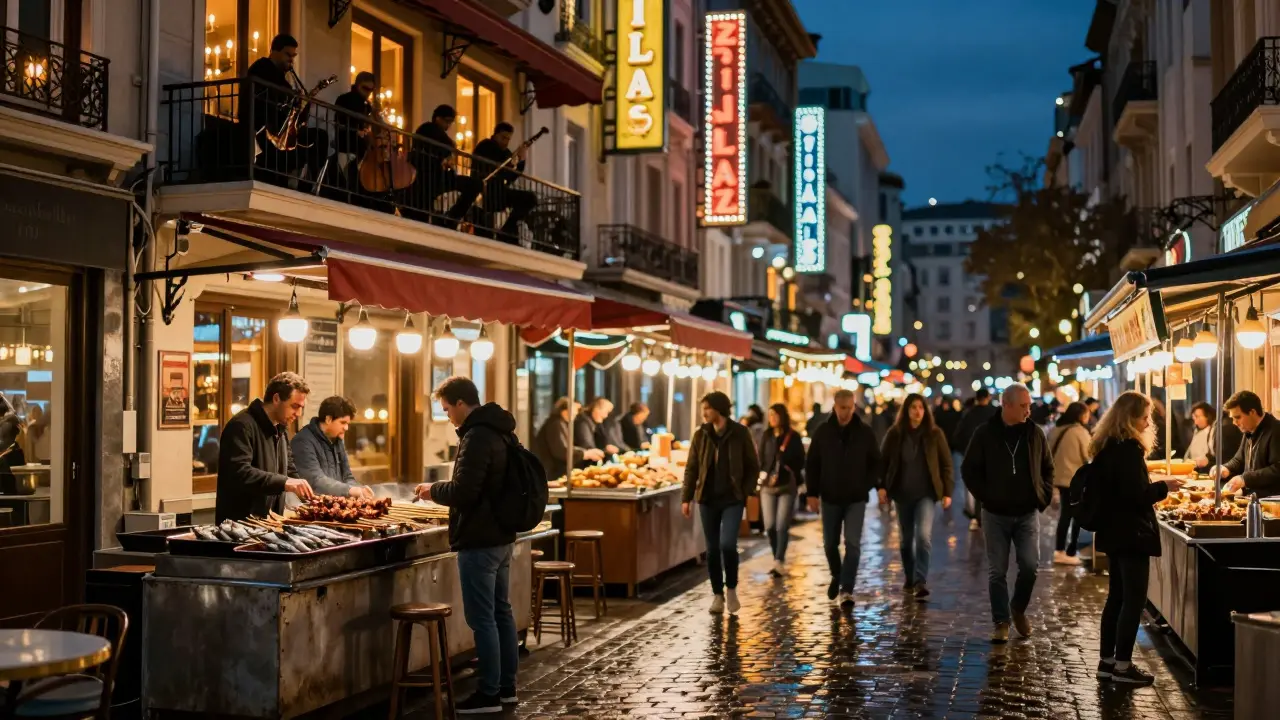
İstiklal Avenue in Beyoğlu is the heartbeat of Istanbul’s night scene. Walk down this pedestrian street after 9 p.m., and you’ll see a mix of locals and travelers spilling out of cafes, jazz clubs, and underground wine bars. It’s not crowded because it’s a tourist trap-it’s crowded because it’s where real life happens. A 25-year-old university student might be sipping raki next to a 60-year-old poet reading his latest verses. A group of friends laughs over grilled sardines at a street-side stall, while a jazz trio plays in the background, their sound drifting through open windows.
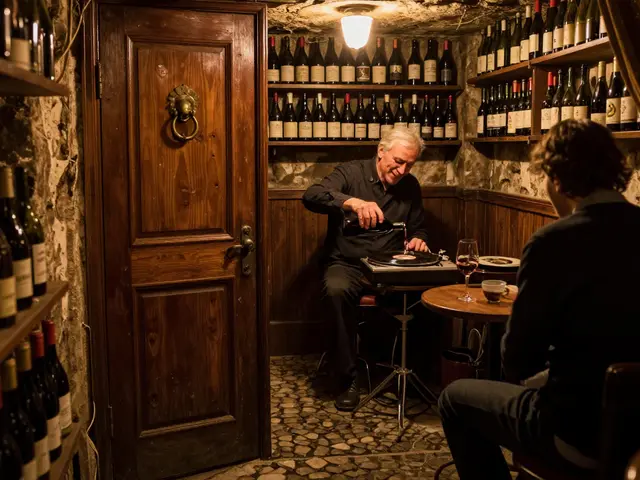
Don’t mistake İstiklal for a single vibe. One block might be all neon lights and electronic beats. The next? A quiet, candlelit wine bar where the bartender knows your name and pours a 2018 Çalkarası from a single vineyard in Aegean Turkey. The energy shifts as the night goes on. Midnight brings the first wave of clubgoers. By 2 a.m., the real crowd arrives-the ones who don’t care about trends, just good company and great music.
The Food That Keeps You Going
Istanbul’s nightlife isn’t built on cocktails alone. It’s built on food. You won’t find a single night out here without a meal, snack, or late-night bite. The scent of charcoal-grilled lamb lingers in the air from dusk until dawn. At midnight, you’ll find queues outside Çiya Sofrası in Kadıköy, where locals line up for slow-cooked stews and regional dishes you won’t find anywhere else. Their İçli Köfte-bulgur dumplings stuffed with spiced meat and pine nuts-is a midnight ritual for many.
Then there’s the balık ekmek-grilled fish sandwiches sold from boats along the Bosphorus. You buy one at sunset, eat it as the lights come on, and by 1 a.m., you’re still holding the last bite. It’s not fancy. It’s not Instagrammable. But it’s real. And it’s why people return.
For something sweeter, head to Halil Usta in Eminönü. Their lokma-deep-fried dough balls soaked in syrup-are still made by hand, one batch at a time. You watch them drop into the oil, then into the syrup, then into a paper cone. It costs 12 Turkish lira. You eat three. You come back tomorrow.
Clubs That Don’t Care About Rules
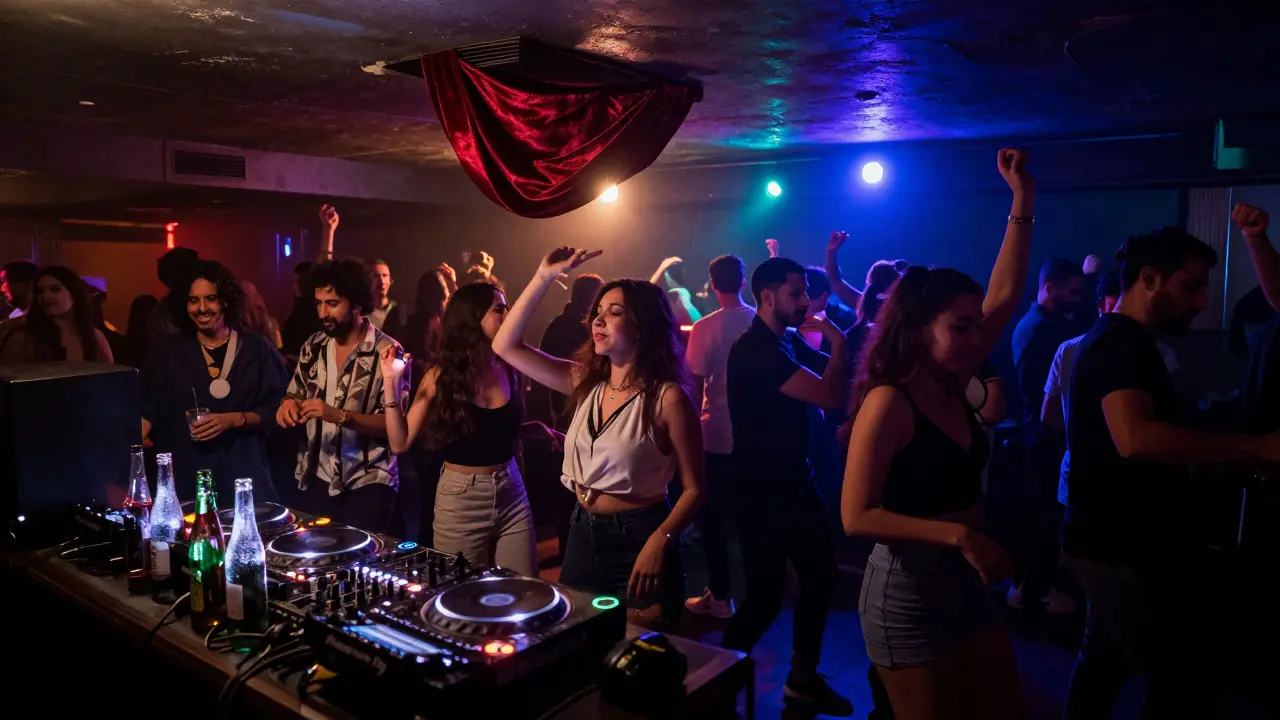
Most guidebooks list the same three clubs in Istanbul. They’re fine. But they’re not the story. The real nightlife hides in basements, converted warehouses, and rooftops with no signs. Bellevue Istanbul is one of them. It’s not on Google Maps. You need a friend to text you the password. Inside, it’s dark, loud, and alive. The DJ plays a mix of Turkish synth-pop, Berlin techno, and old Arabic folk songs remixed into something entirely new. People dance like no one’s watching-even though 500 people are.
Down in Karaköy, Karga turns an old Ottoman warehouse into a space where basslines shake the walls and the ceiling drips with condensation. No velvet ropes. No cover charge before midnight. Just a door, a bouncer who nods if you look like you belong, and a sound system that’s been tuned by engineers who’ve worked with Aphex Twin.
And then there’s Bar 1912, tucked into a 19th-century building near Galata Tower. It’s a jazz bar with no menu, just a chalkboard that changes every night. The drinks are named after Turkish poets. The wine list? Only bottles from small, family-run vineyards in Eastern Anatolia. You don’t order. You let the bartender choose. And you trust them.
Music That Moves the City
Music in Istanbul doesn’t stay in one genre. It flows. You might start your night at a mevlevi ceremony-a Sufi whirling ritual held in a centuries-old tekke near the Grand Bazaar. The drums, the flutes, the chanting-it’s haunting, spiritual, and deeply moving. By 11 p.m., you’re at Çıngıraklı in Beyoğlu, where a band blends traditional Ottoman instruments with electric guitars. The crowd sways, claps, and sings along in Turkish, Arabic, and Kurdish.
At 1 a.m., you stumble into a hidden basement where a Kurdish folk singer is performing with a duduk and a loop pedal. No one is filming. No one is posting. Just 12 people, a few candles, and a voice that sounds like it’s been passed down for generations.
This is the secret: Istanbul’s nightlife isn’t about being seen. It’s about being felt. You don’t go to dance. You go to connect-with strangers, with music, with history, with food.
When the Night Ends
By 5 a.m., the party doesn’t die. It changes. The clubs close. But the cafes open. Çiya in Kadıköy serves tea and simit at dawn. The old men who run it have been there since the 1970s. They know who’s been to every club in town. They don’t ask questions. They just pour.
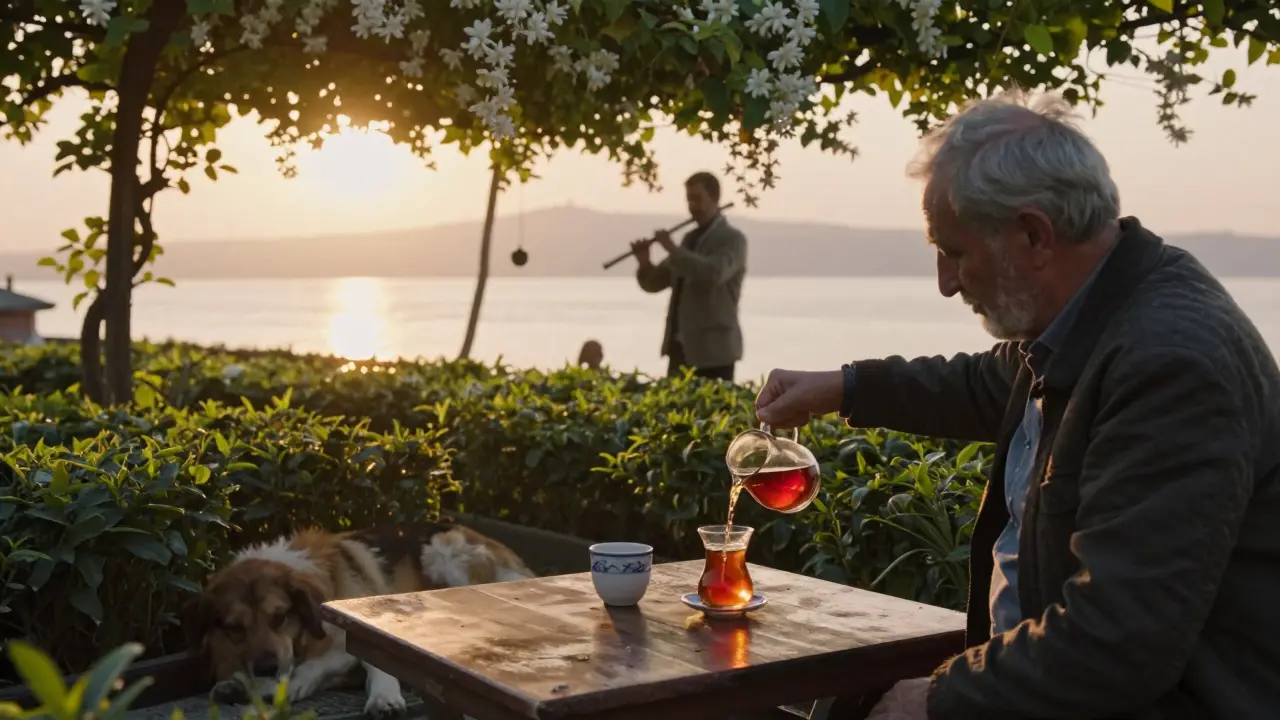
Or you might find yourself at a çay bahçesi-a tea garden-on the Asian side, where the air smells like jasmine and the first light of day creeps over the water. Someone is playing a ney flute. A dog sleeps under the table. A couple argues softly in Turkish. No one leaves. No one rushes. The night didn’t end. It just softened.
What You Should Know Before You Go
- Transportation: The metro runs until 1 a.m. After that, you’ll need a taxi or ride-share. Uber is reliable. Avoid unmarked cabs.
- Drinking: Alcohol is legal, but not everywhere. Some neighborhoods are more conservative. Stick to tourist areas or places with visible licenses.
- Dress: No strict rules. Jeans and a shirt are fine everywhere. You’ll see everything from shorts to silk dresses. Comfort matters more than style.
- Money: Cash is still king in smaller bars. ATMs are everywhere, but many places don’t take cards after midnight.
- Timing: Don’t expect clubs to fill up before 1 a.m. The real night starts then.
Don’t Miss These Five Spots
- Bellevue Istanbul - Hidden basement club with eclectic beats.
- Çiya Sofrası - Late-night regional Turkish dishes.
- Bar 1912 - Jazz, poetry, and handpicked wines.
- Halil Usta - The best lokma in the city.
- Çıngıraklı - Industrial space, massive sound, zero pretense.
Is Istanbul nightlife safe for solo travelers?
Yes, Istanbul’s nightlife is generally very safe for solo travelers, especially in areas like Beyoğlu, Karaköy, and Kadıköy. The city has a strong police presence in tourist zones, and locals are often helpful. Stick to well-lit streets after midnight, avoid overly isolated alleys, and keep your belongings close. Most bars and clubs have security staff, and public transport runs reliably until early morning. Many solo travelers, including women, report feeling safer here than in other major European cities.
Do I need to speak Turkish to enjoy Istanbul’s nightlife?
No, but knowing a few phrases helps. English is widely spoken in bars, clubs, and restaurants in tourist areas. Staff at popular spots like Bellevue and Bar 1912 often speak fluent English. However, in smaller, local joints or on the Asian side, Turkish is more common. A simple "Teşekkür ederim" (thank you) or "Ne var?" (What’s up?) opens doors. Many bartenders and musicians will appreciate the effort-and sometimes, they’ll even give you an extra drink.
What’s the best time of year to experience Istanbul’s nightlife?
Late spring through early autumn (May to September) is ideal. The weather is warm, rooftop bars are open, and outdoor music events thrive. July and August bring the biggest crowds, but also the most energy. If you prefer quieter nights with fewer tourists, try April, October, or early November. The city still buzzes, but you’ll have more space to explore hidden spots without fighting through crowds.
Are there any cultural rules I should follow?
Istanbul is relaxed, but not without norms. Avoid loud, drunken behavior-especially near mosques or residential areas. Public displays of affection are tolerated in nightlife zones but frowned upon elsewhere. Never refuse tea if offered-it’s a sign of hospitality. And if you’re invited to a local’s home for a drink, don’t leave before the third cup. It’s not rude to say no, but it’s polite to stay a little longer. Respect the rhythm of the city, and it will reward you.
Can I find vegan or vegetarian options at night?
Absolutely. Istanbul has one of the most vibrant plant-based scenes in the region. Many traditional dishes are naturally vegan: stuffed grape leaves, lentil soup, grilled eggplant, and hummus. Places like VegeBistro in Nişantaşı and Green Cafe in Kadıköy stay open until 2 a.m. and serve everything from jackfruit kebabs to vegan baklava. Even street vendors often have vegan options-just ask for "vejeteryen" and they’ll point you to the right stall.
about author